Quick Cart
Subtotal: $0.00

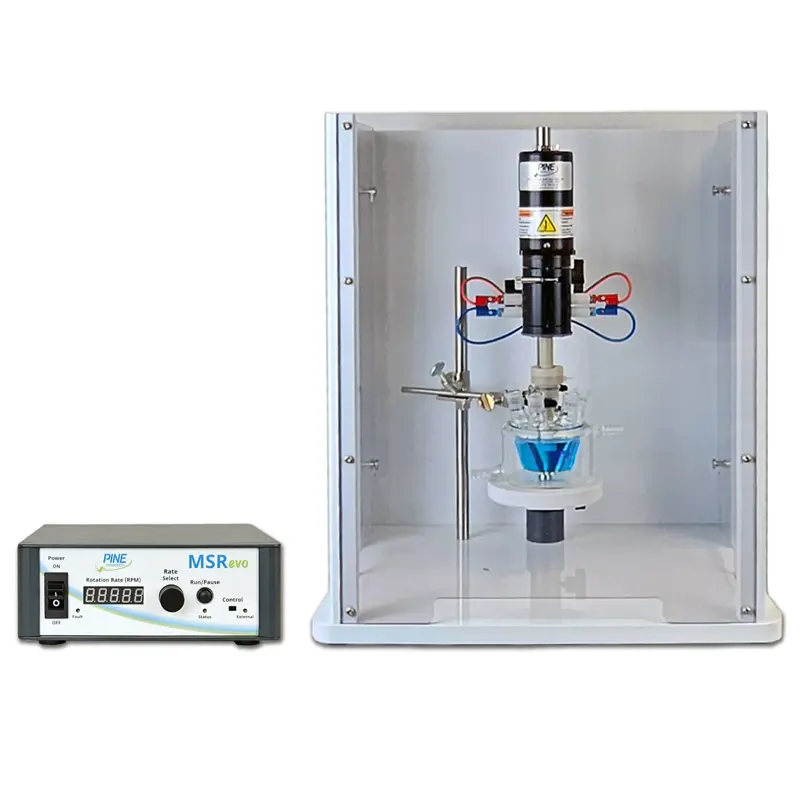
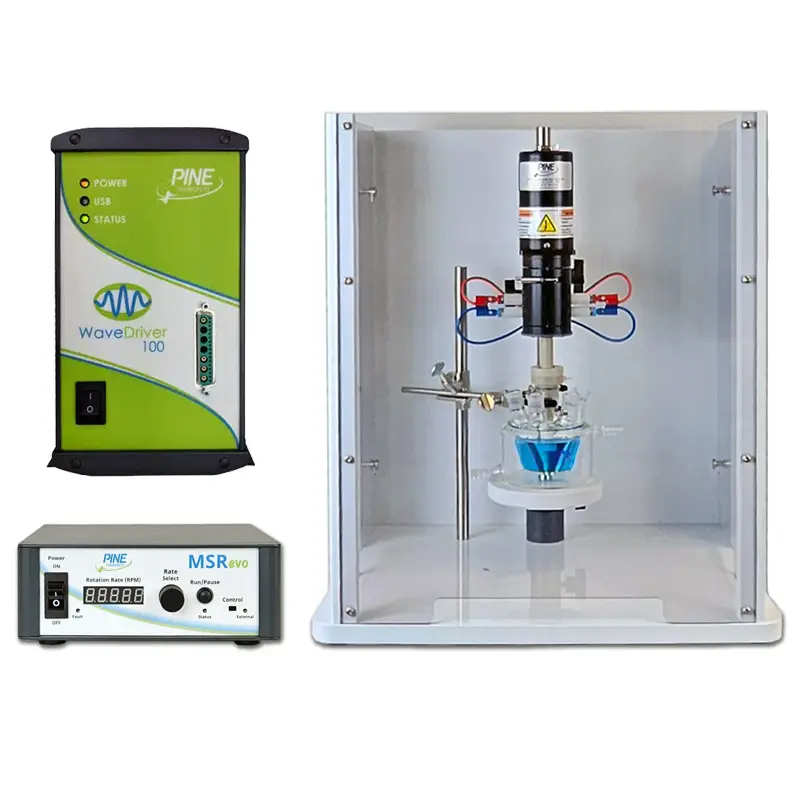
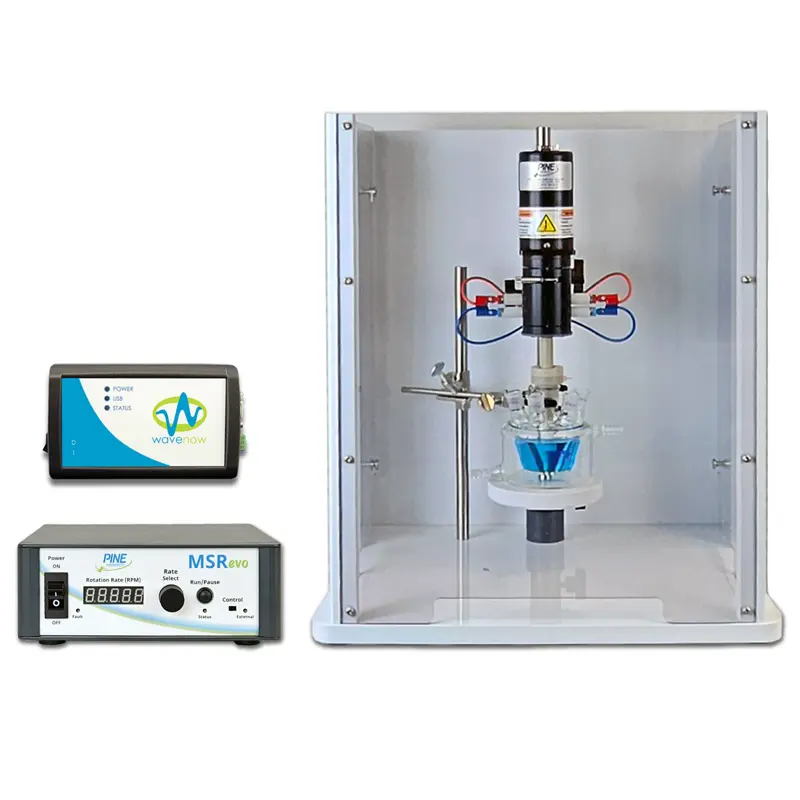
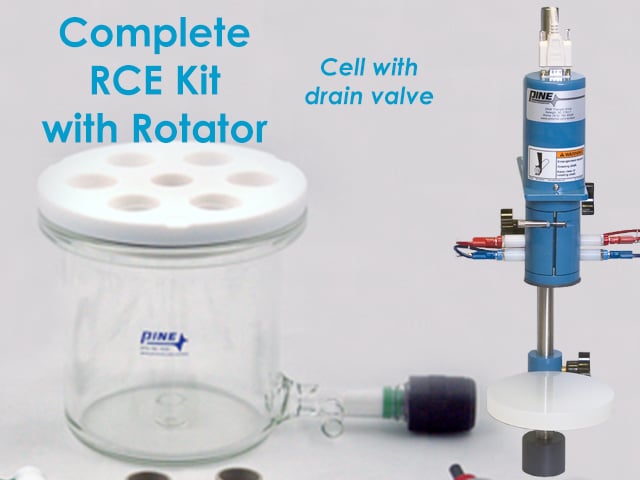
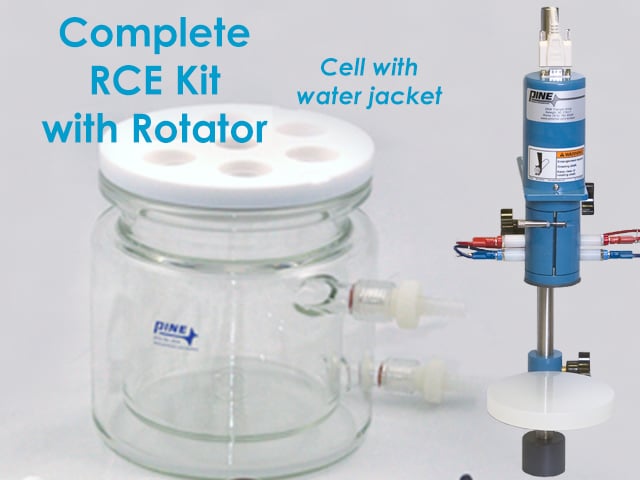
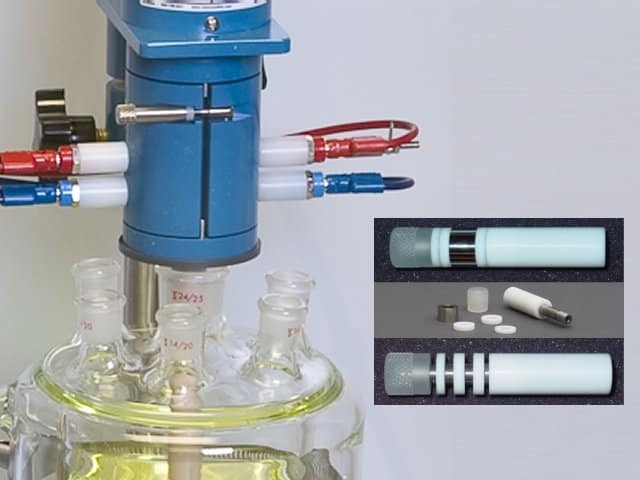
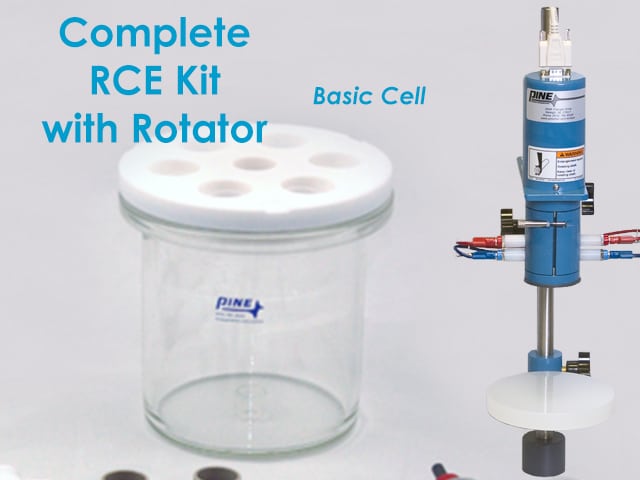
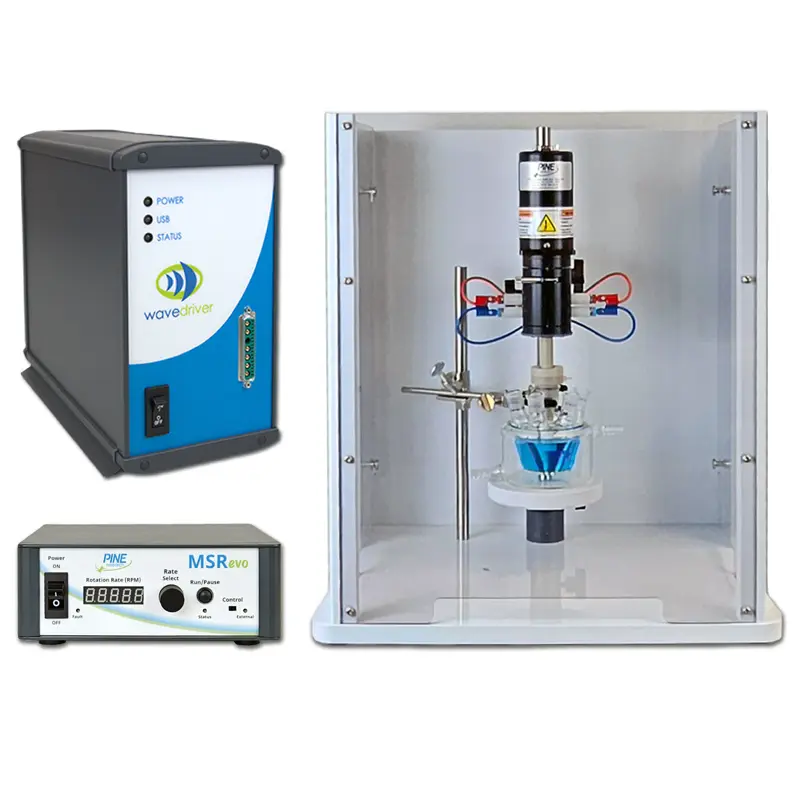
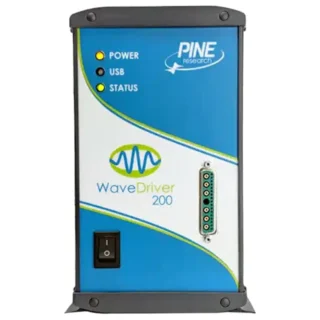
Introducing the newest electrode rotator from the company who made commercial electrodes rotators first available on the market, the MSR evo. It is the evolution of the world’s most popular and most cited electrode rotator in the literature, the MSR Rotator. The MSR evo is highly flexible, enabling techniques such as Rotating Disk (RDE), Rotating Ring-Disk (RRDE), and Rotating Cylinder (RCE) electrochemical experiments. It features an updated control unit with pause/stop/start button, bright LED display, smaller form factor, and advanced interfacing capabilities when paired with a Pine Research electrochemical workstation, such as the WaveDriver 200 Electrochemical Workstation. Shafts and electrodes are sold separately, and Pine Research offers more rotating electrodes than anybody else.
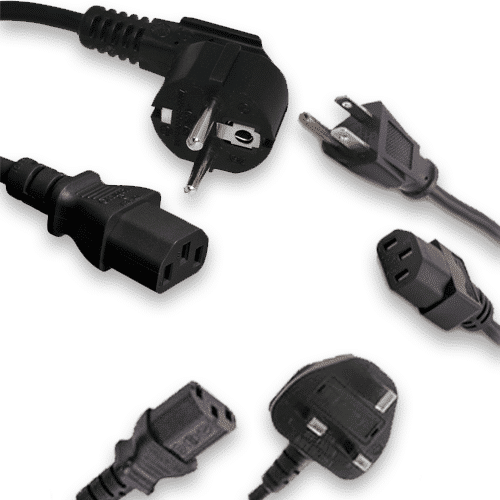
The MSR evo Electrode Rotator is an evoLUTION of the world's most popular rotator, the Modulated Speed Rotator (MSR). This flexible electrochemical instrument may be used with Rotating Disk Electrodes (RDE), Rotating Ring-Disk Electrodes (RRDE), and Rotating Cylinder Electrodes (RCE). The MSR evo Rotator is compatible with most international power configuration standards. The MSR evo Rotator shares many of the same technical specifications as the MSR, with a few exciting updates:
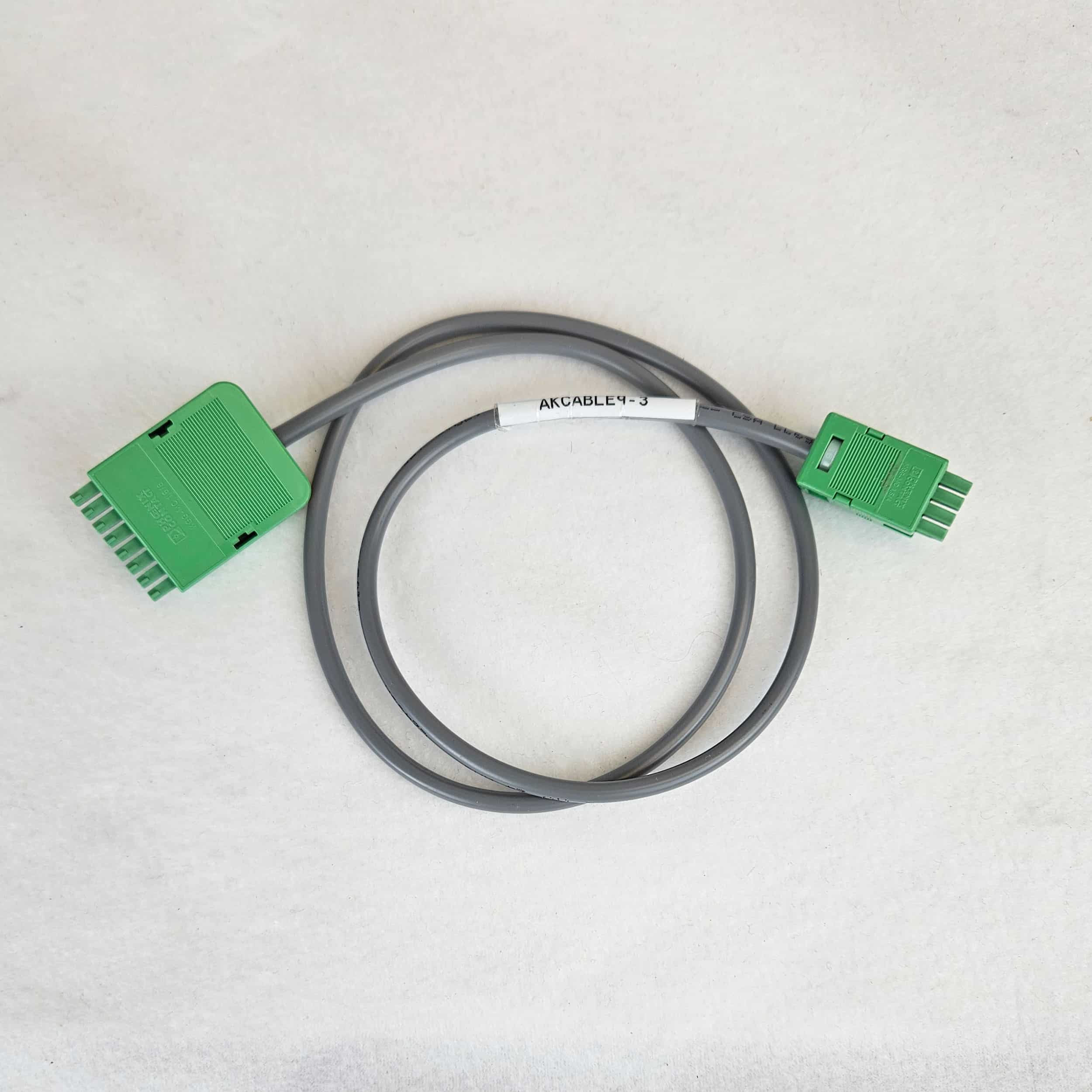
The rotation rate of the electrode may be adjusted using a control knob on the front panel of the motor control unit, or alternately, the rotation rate can be controlled via an output signal from an electrochemical workstation or third-party waveform generator. The rotation rate shines brightly on the new blue LED display on the control unit. The rotation rate is adjustable over a range from 50 to 10,800 RPM and is accurate to within 1% of the reading on the display. Rotation rate may also be monitored via an output signal proportional to the rotation rate, accesible on the control unit input/output connector.
The rotation rate may be controlled and modulated by a sine wave, square wave, or other externally generated waveform. The outstanding acceleration characteristics of the motor and its control circuitry allow the rotation rate to follow the control waveform with very little error. This feature is particularly desirable for techniques such as Hydrodynamic Modulation Voltammetry (HMV).
The rotator motor position is easily raised or lowered with respect to the cell platform, making immersion or removal of the rotating electrode tip quick and easy. The enclosure base is made from chemically resistant polypropylene, and the large enclosure window provides a good view of rotating electrode during operation.