Quick Cart
Subtotal: $0.00
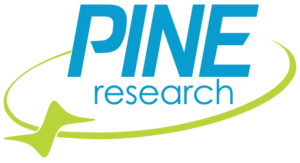
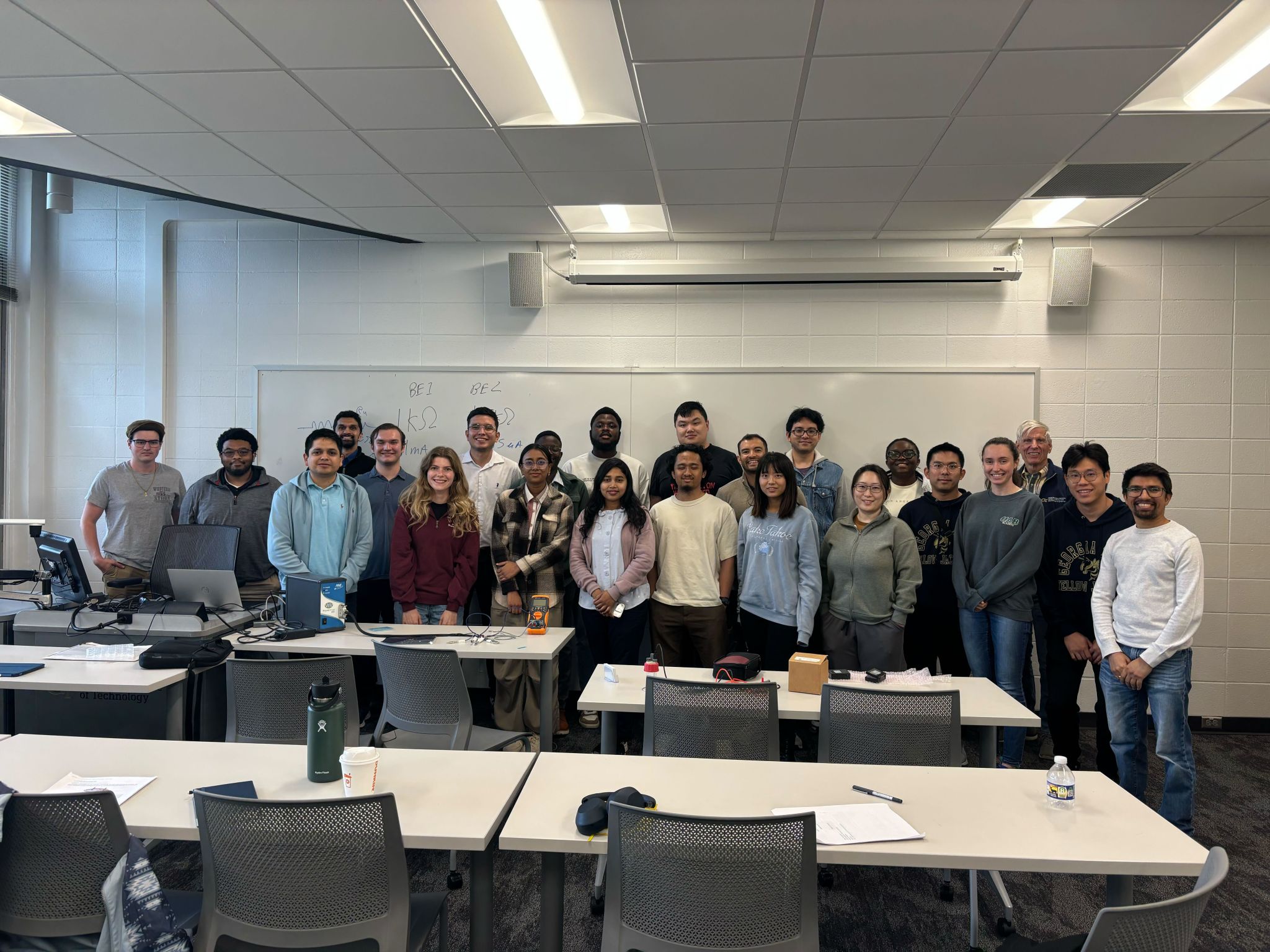
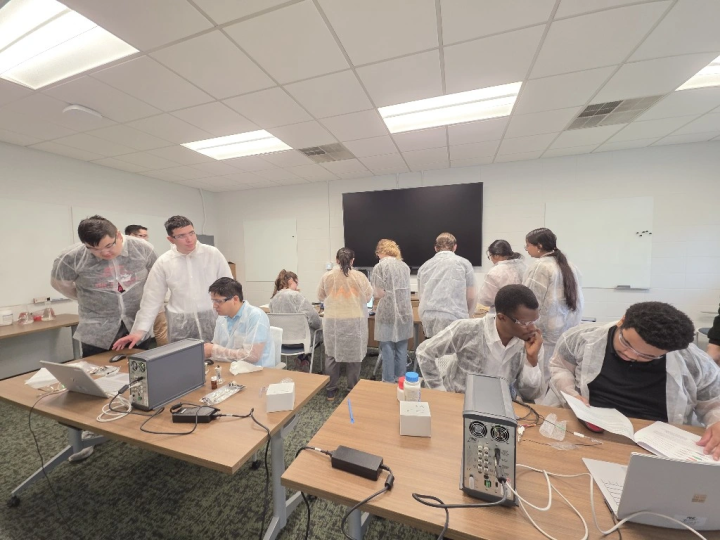
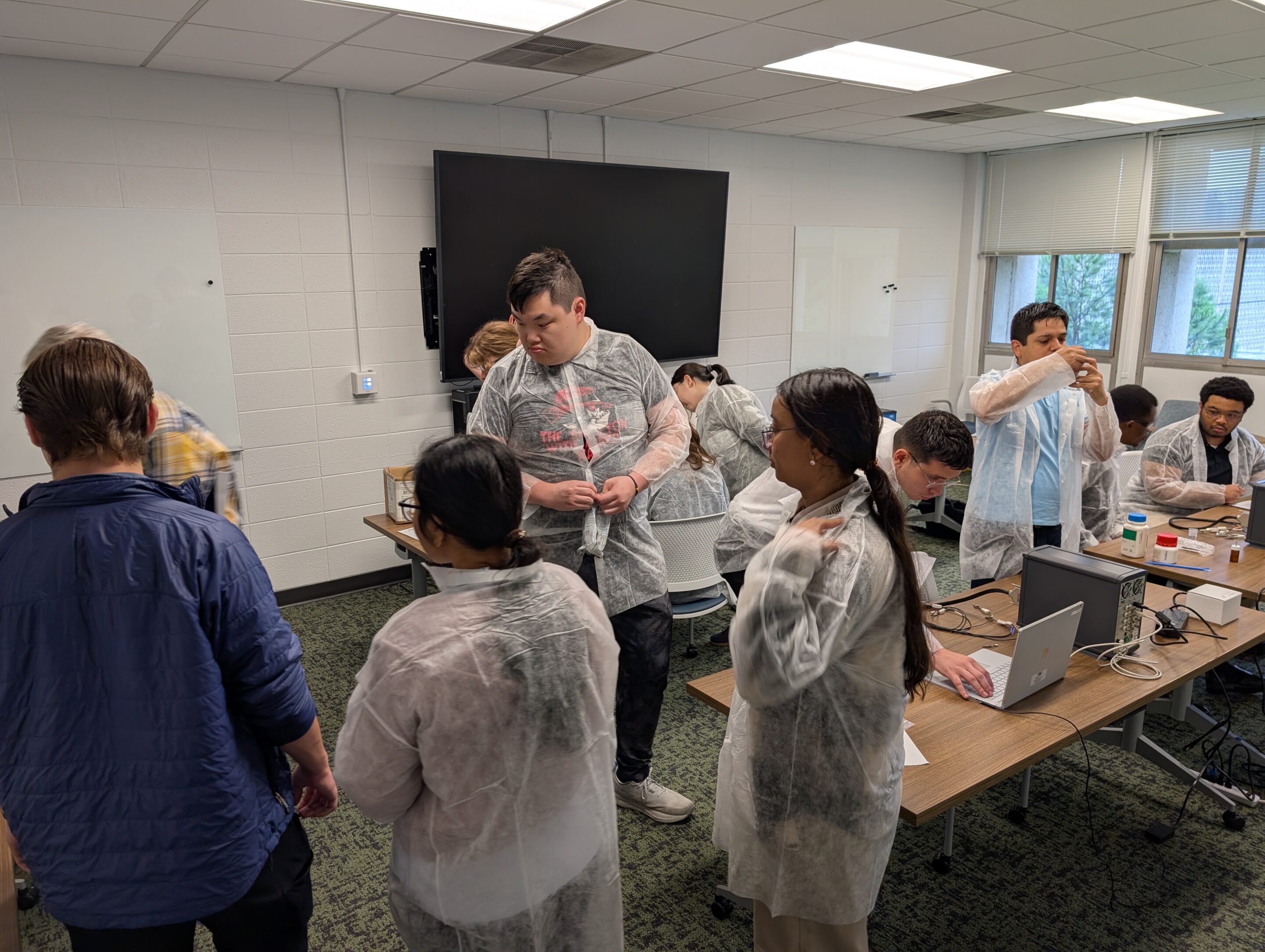
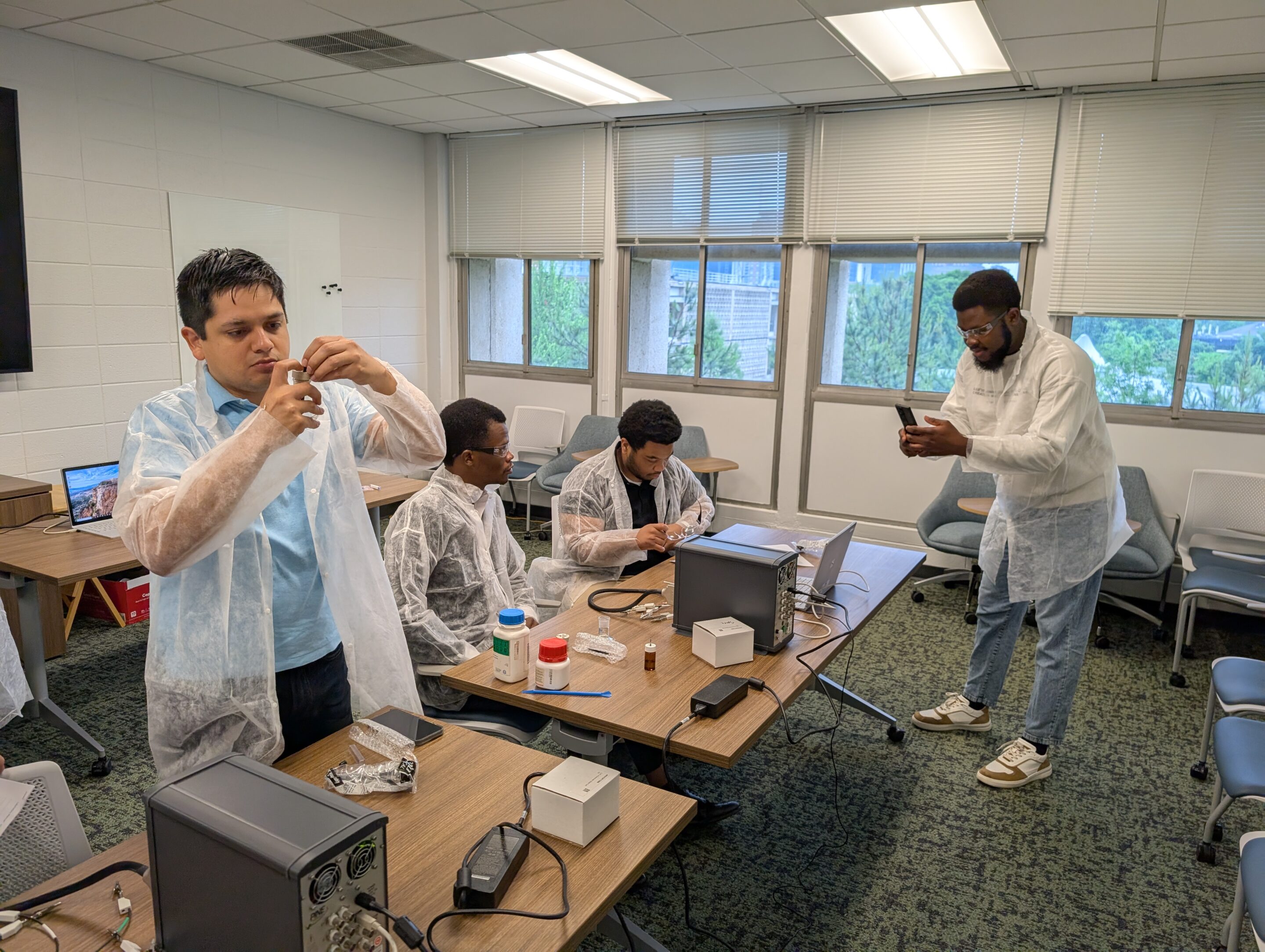
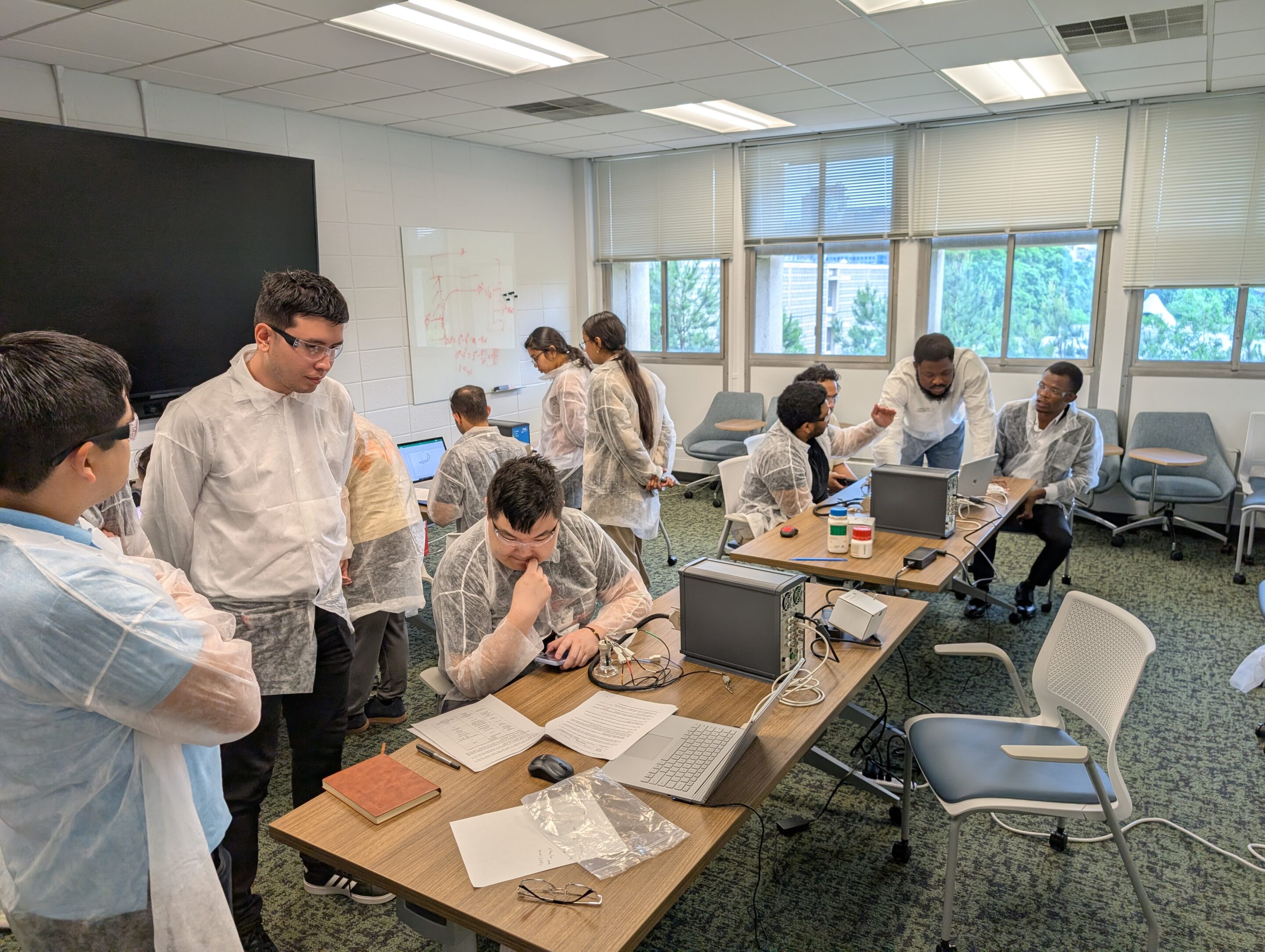
The Electrochemistry Workshop for CASFER graduate students, postdocs, junior faculty, and industry members during the summer serves a vital purpose in bridging the gap between theoretical knowledge and practical application. In the field of electrified process for nutrient recovery, electrochemistry plays a pivotal role, and providing students with hands-on experience in this field is essential for their academic and professional development.
The workshop aims to impart practical skills and deepen the understanding of electrochemical processes, allowing scholars to translate classroom concepts into real applications. By engaging in practical experiments, participants will gain insights into the complexities of electrochemical systems and learn how to troubleshoot the most common experiments in the field.

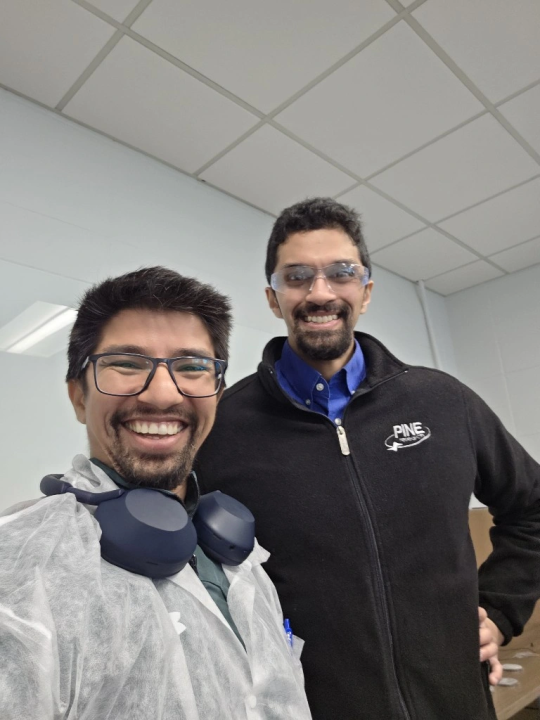
Alex Peroff joined the Pine Research team as an Electroanalytical Scientist in 2016. Alex came to Pine Research after earning his Ph.D. at Northwestern University under the direction of Richard Van Duyne and Eric Weitz. Following his doctorate, Alex completed a post-doctoral position at SUNY Albany. Alex resides in the Durham, North Carolina area.

Dr. Alvarez-Pugliese is a Senior Research Associate working in the Chemical Engineering Department at Texas Tech University. He is CASFER’s Research and Team Science Coordinator. He has Chemical Engineering and Economics studies, and a Ph.D. in Chemical Engineering from Universidad del Valle (Colombia) with over 10 years of experience working on electrochemistry at laboratory, pilot, and semi-industrial scale. His research topics include: electrocatalysis for ammonia oxidation, BDD electrochemical oxidation of industrial effluents, iron electro-dissolution and coagulation of landfill leachate, gold adsorption / electro-elution and electrodeposition from activated carbon, and catalytic ozonation wastewater treatment.
He is an active member of the International Society of Electrochemistry (ISE), Electrochemical Society (ECS) and is the Associate Editor for the Journal of Applied Electrochemistry. He has taken part of innovation-base entrepreneurships and has served as business and technology transfer consultant.

Gerardine (Gerri) Botte is a Professor and Whitacre Endowed Chair in Sustainable Energy at Texas Tech University (TTU) and the Founding Director of the National Science Foundation (NSF) Engineering Research Center for Advancing Sustainable and Distributed Fertilizer Production, CASFER, a $51million investment of the NSF plus an infrastructure that leverages a vibrant innovation ecosystem and institutional support of five partner academic institutions.
She is also currently leading a new initiative at TTU for sustainability and circular economies, under a recently established Institute at TTU. She served as the Whitacre Department Chair in Chemical Engineering at TTU for three years before becoming CASFER Director. In her tenure as Department Chair, she was instrumental in the implementation of curricula changes and the significant growth and record in research and restrictive research expenditures in the department.
Gerri has over 25 years of experience in the development of electrochemical processes as they related to the intersection of energy, water, and food sustainability. She is a visionary and a recognized leader in electrochemical science and technology. She has served in leadership roles for both the International Society of Electrochemistry and the Electrochemical Society and is currently the President Elect of the Electrochemical Society. In 2014, she was named a Fellow of the Electrochemical Society for her contributions and innovation in electrochemical processes and engineering. She became a Chapter Fellow of the National Academy of Inventors in 2012.
Dr. Botte has 211 publications including peer-reviewed journals, book chapters, and 62 granted patents. Dr. Botte and members of her research group are working on the foundation of applying electrochemical engineering principles for advanced and sustainable manufacturing, process intensification, food/energy/water sustainability, and nanomaterials with expertise in electro-synthesis, batteries, electrolyzers, sensors, fuel cells, mathematical modeling, and electro-catalysis. Dr. Botte is also an entrepreneur, she has been involved in the commercialization of technologies, has founded and co-founded companies, and serves as member of the board of directors in several companies. She received her Ph.D. in 2000 (under the direction of Dr. Ralph E. White) and M.E. in 1998, both in Chemical Engineering, from the University of South Carolina. Prior to graduate school, Dr. Botte worked as a process engineer in a petrochemical plant; she was involved in the production of fertilizers and polymers. Dr. Botte received her B.S. in Chemical Engineering from Universidad de Carabobo (Venezuela) in 1994.

Paul Kohl received a B.S. degree from Bethany College in 1974 and Ph.D. from The University of Texas, both in Chemistry. After graduation, Dr. Kohl was employed at AT&T Bell Laboratories in Murray Hill, NJ from 1978 to 1989. During that time, he was involved in the design and processing of electronic packages for Bell system components. He created new chemical processes for silicon, compound semiconductor, and MEMS devices. In 1989, he joined the faculty of the Georgia Institute of Technology in the School of Chemical and Biomolecular Engineering, where he is currently a Regents’ Professor and holder of the Thomas L. Gossage/Hercules Inc. Chair. He is the past President of The Electrochemical Society and past Editor of Journal of The Electrochemical Society and past founding editor of Electrochemical and Solid-State Letters. He is the past Director of the Semiconductor Research Corporation/DARPA Interconnect Focus Center.
Dr. Kohl’s research interests include the the synthesis and use of self-immolative polymers for patterning of electronic devices and other transient polymer applications. The depolymerization of self-immolative polymers with a low ceiling temperature can be triggered by thermal, photo or other stimulus. Polymer depolymerization and evaporation can be used as a means to form dry-develop resists or release other active materials into a matrix.
New solid anion conducting polymers have been synthesized for use in anionic fuel cells, electrolyzers and dialysis devices. Poly(norbornene) copolymers have been shown to form the highest conductivity, chemically stable at high pH anion conducting membranes. Hydrogen/oxygen fuel cells with power levels of 3.5 W/cm2 have been demonstrated. Alkaline electrolyzers to produce hydrogen at high efficiency using these norbornene ionomers and membranes is a current focus.
Solid-state lithium ion batteries with new solid polymer electrolytes is a also a current focus. The new copolymer can have tethered anions for single ion conduction or use lithium ion salts. The effect of polymer architecture and monomer type on lithium ion conduction and electrode stability is being studies.
Breakfast and attendance for the workshop
Introduction to the fundamentals of electrochemistry. Content covered includes redox reactions, the electrochemical cell, standard electrode potential, electrolytic vs galvanic cells, Nernst equation, ionic conductivity, and transfer number.
Lecture content includes a description of the electrical double layer, mass transport, cyclic voltammetry, and transference number.
Discusses how we mathematically treat diffusion and kinetics when it comes to modeling voltammetry. Excel demos of diffusion and concentration profiles are presented along with showing AfterMath CV Simulation.
Paul discusses the operation and economics on fuel cells and electrolyzers.
Introduction to electrochemical impedance spectroscopy, electrochemical cell representation, series vs parallel components, response of a capacitor, Nyquist plots.
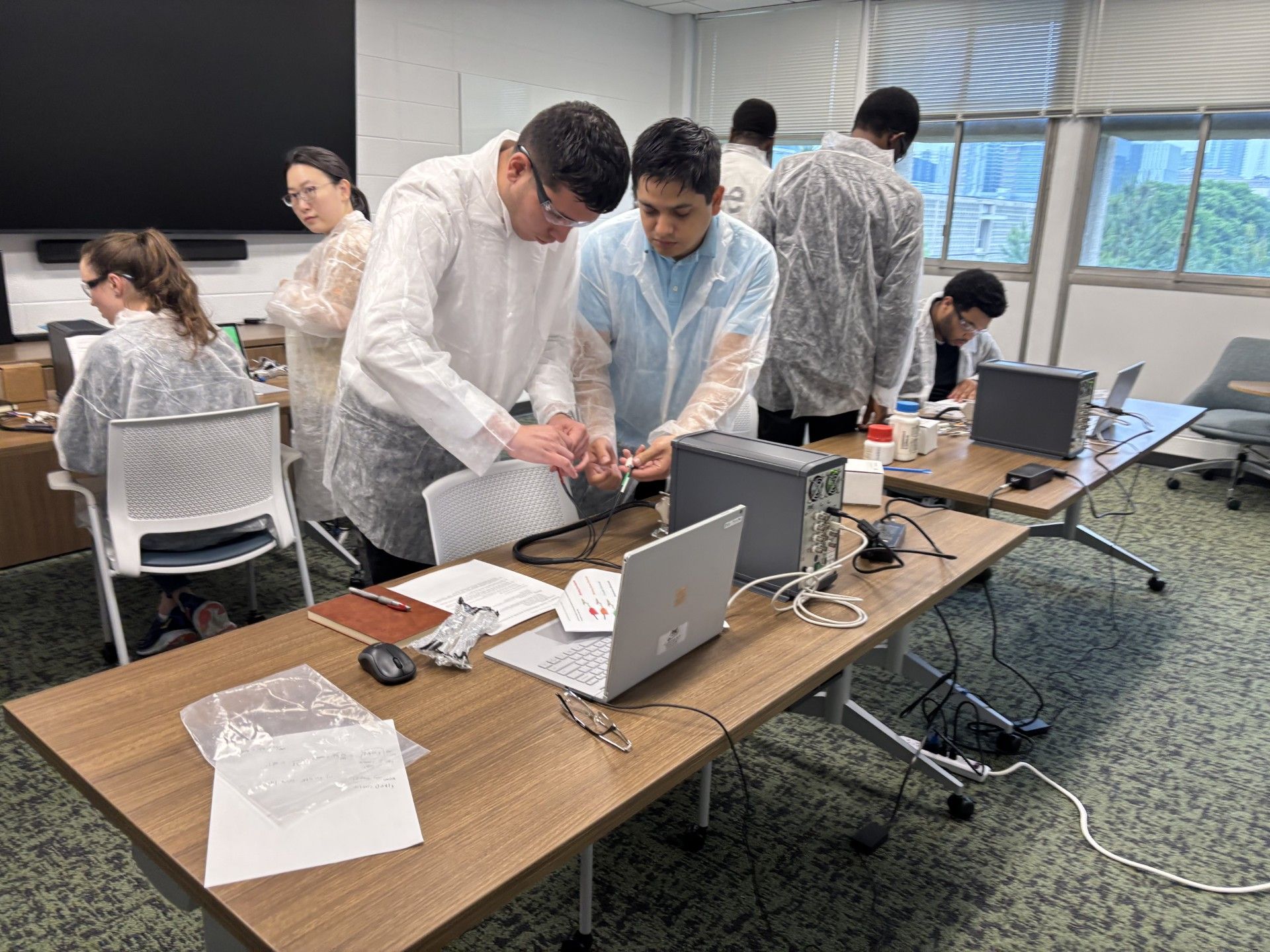
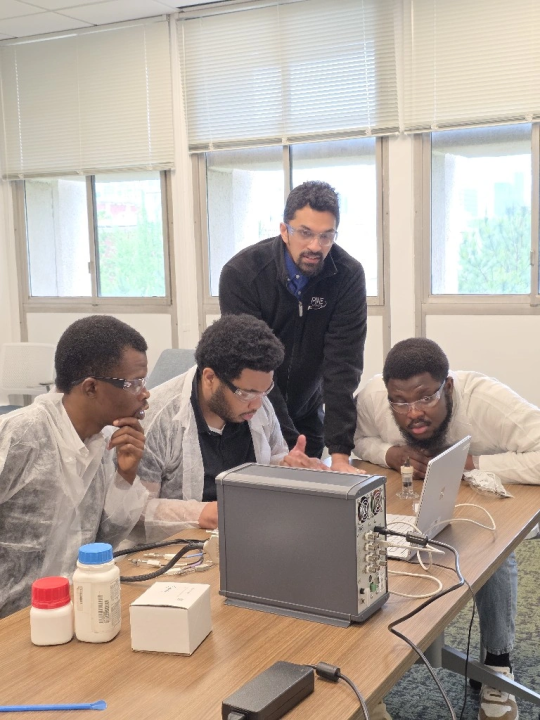
After a brief introduction to AfterMath software and some tips regarding the lab. Students then perform a series of CV and EIS experiments on a dummy cell and acetaminophen.
Content covered includes the concept of feedback, operational amplifiers, potentiostat operation in electrochemical cell, ADC/DAC converters, different troubleshooting situations, and iR compenstation.
Students present on questions from the lab section