Quick Cart
Subtotal: $0.00
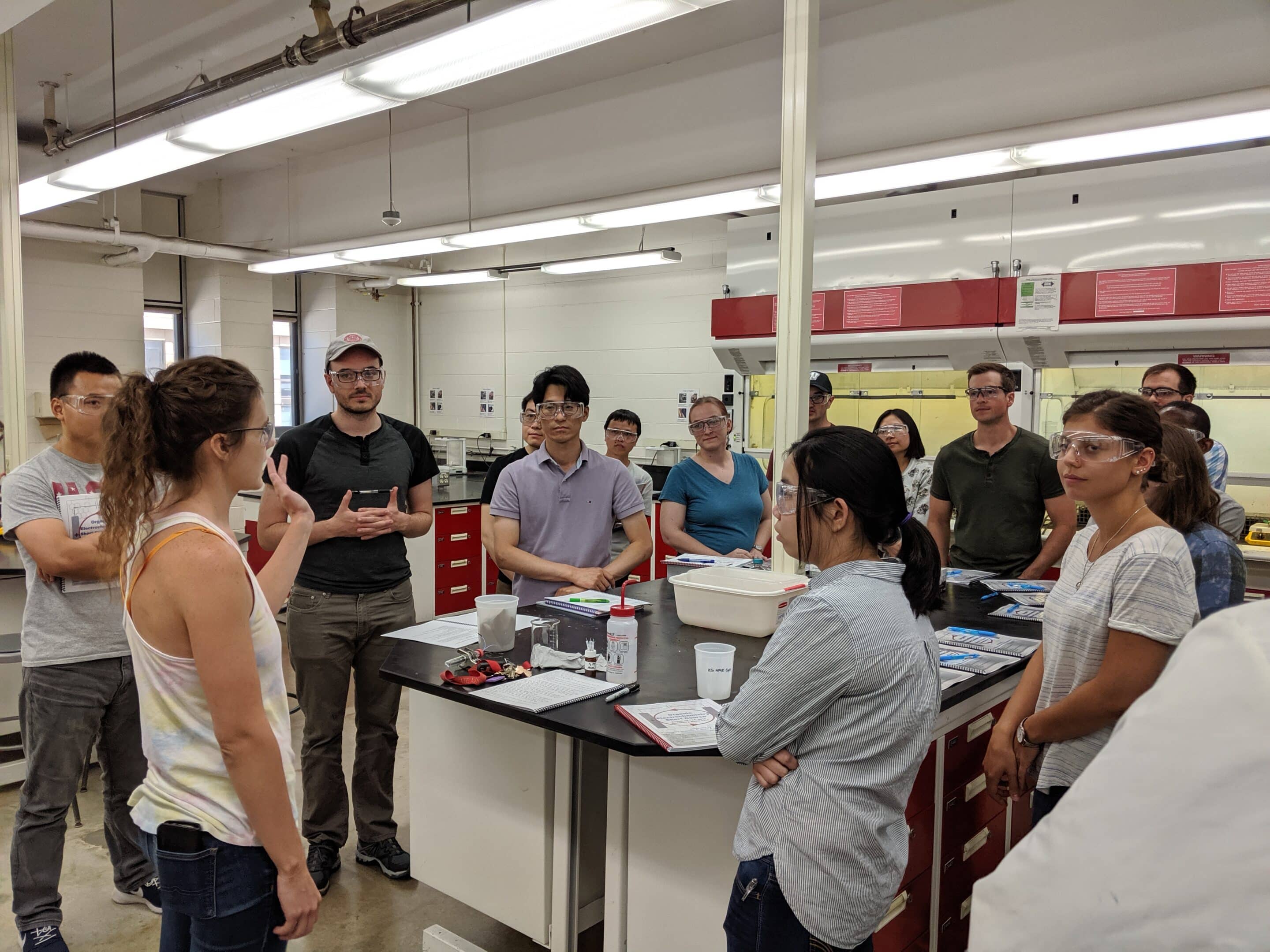
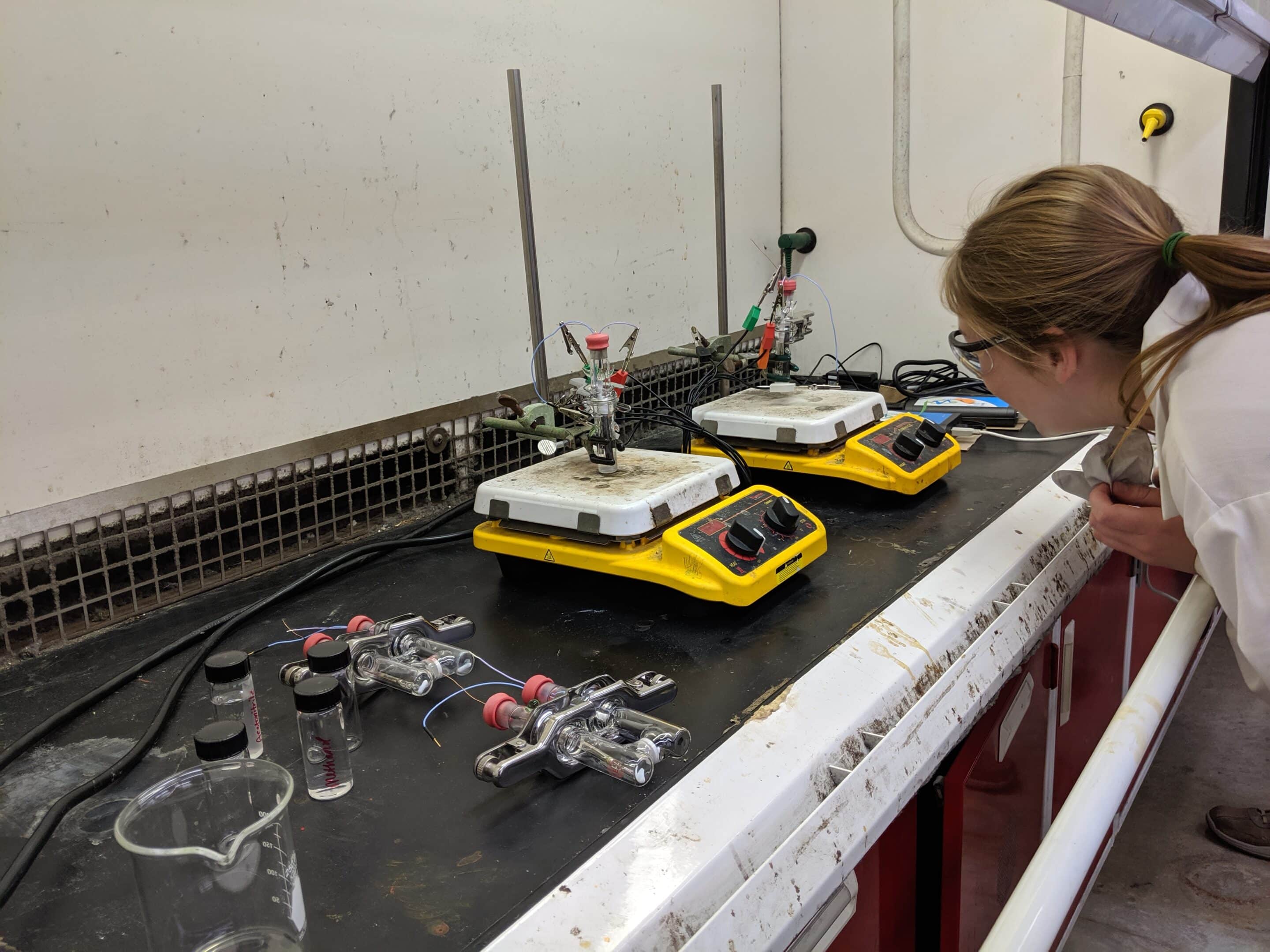
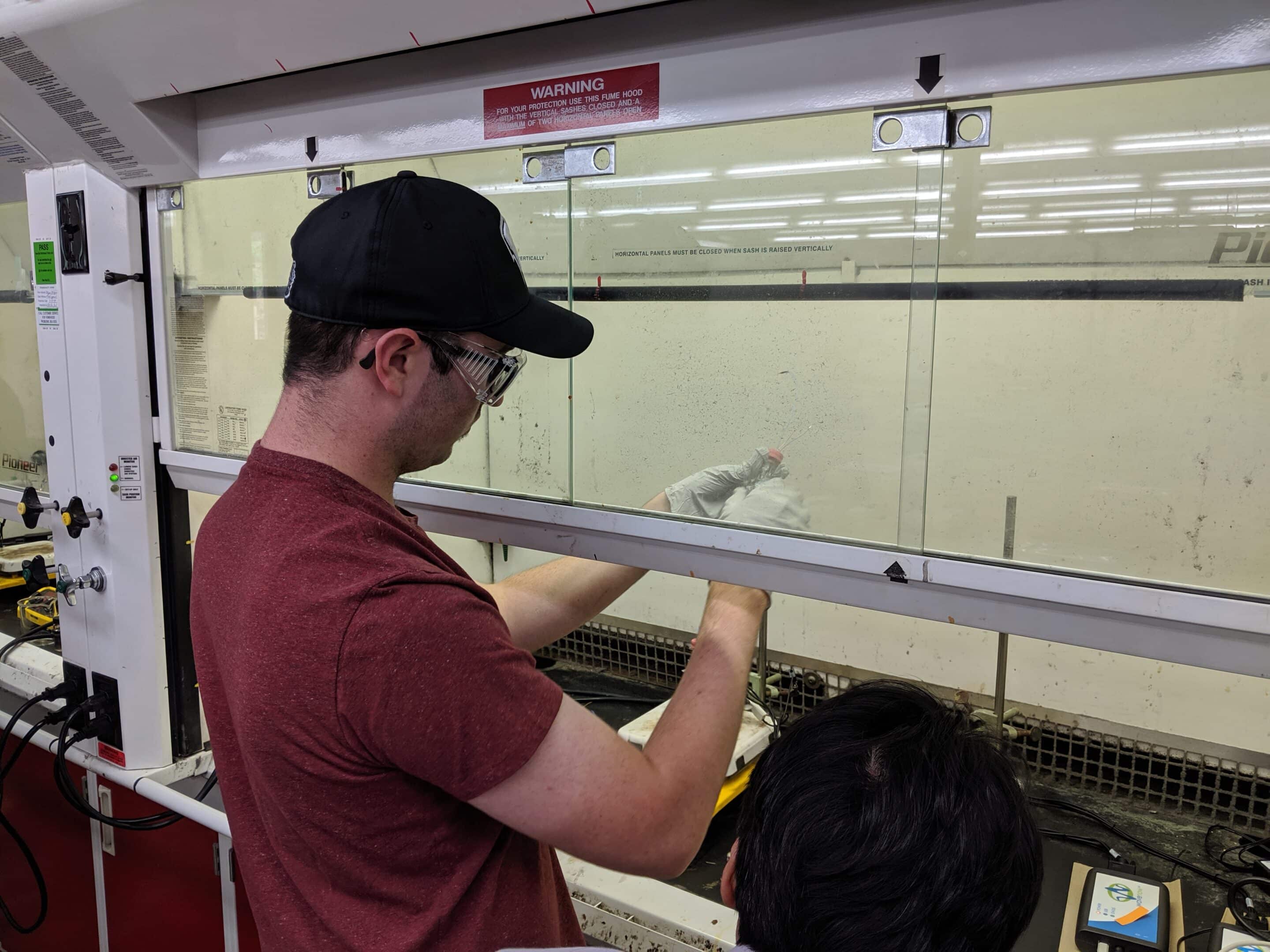
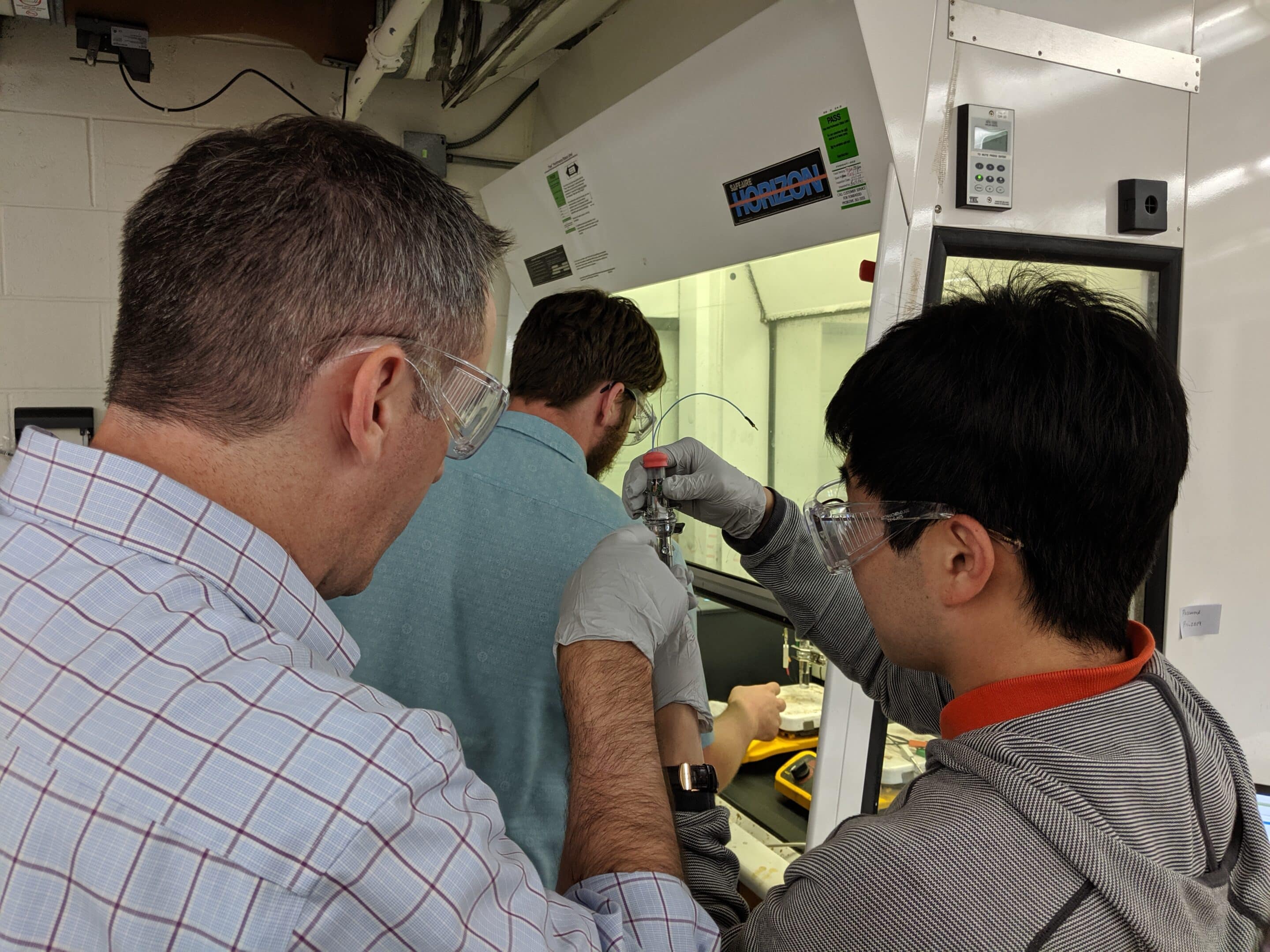
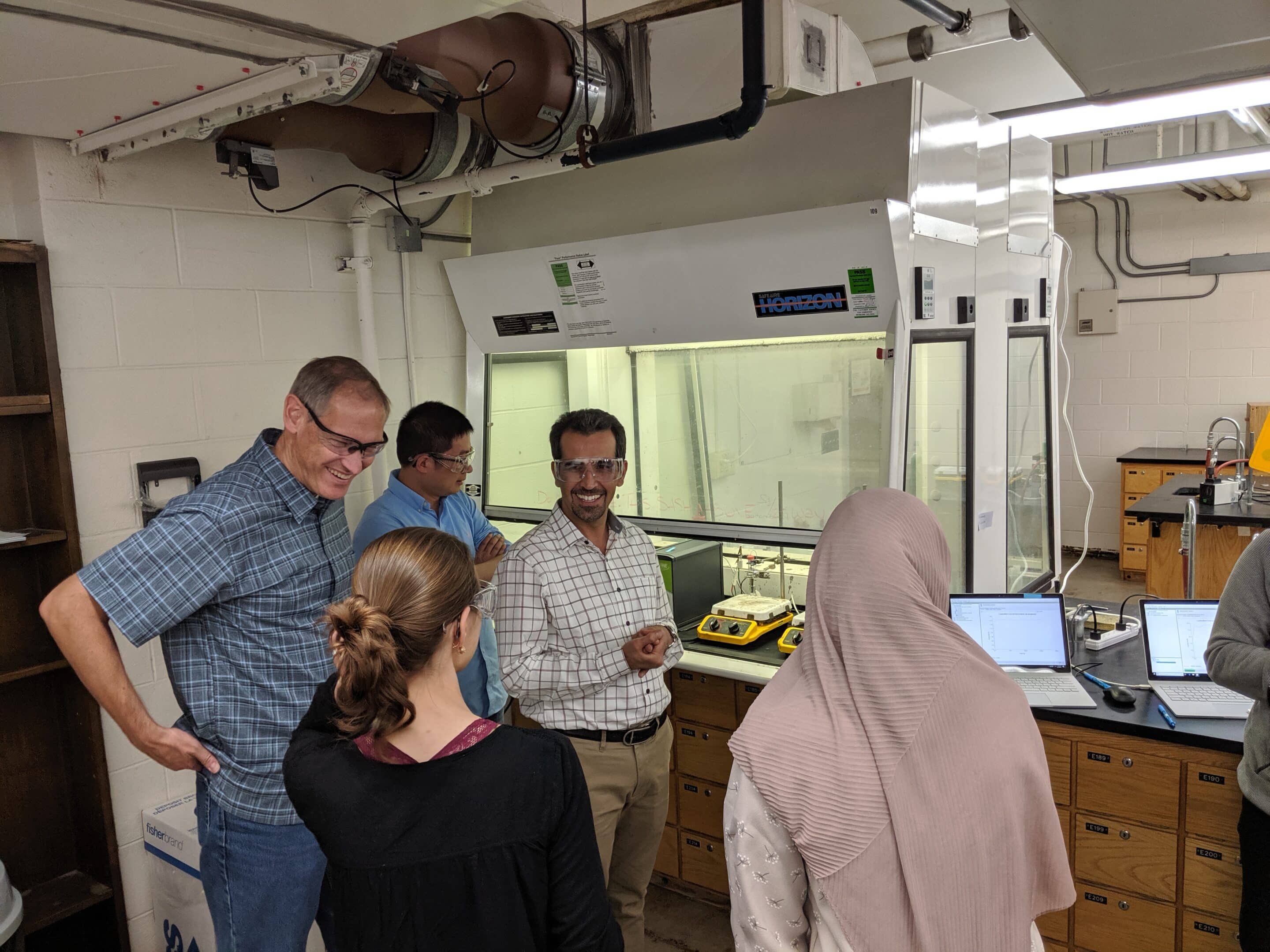
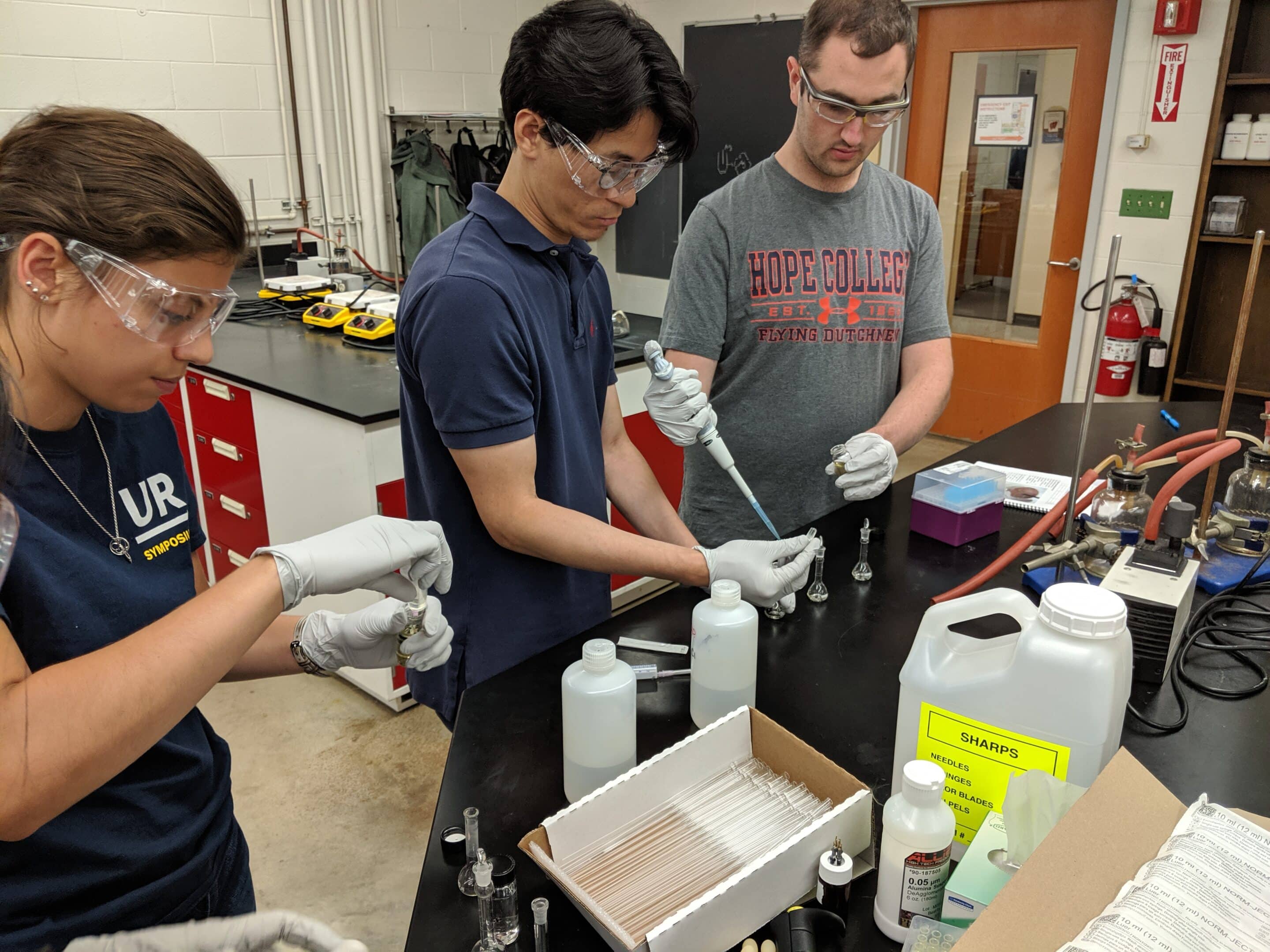
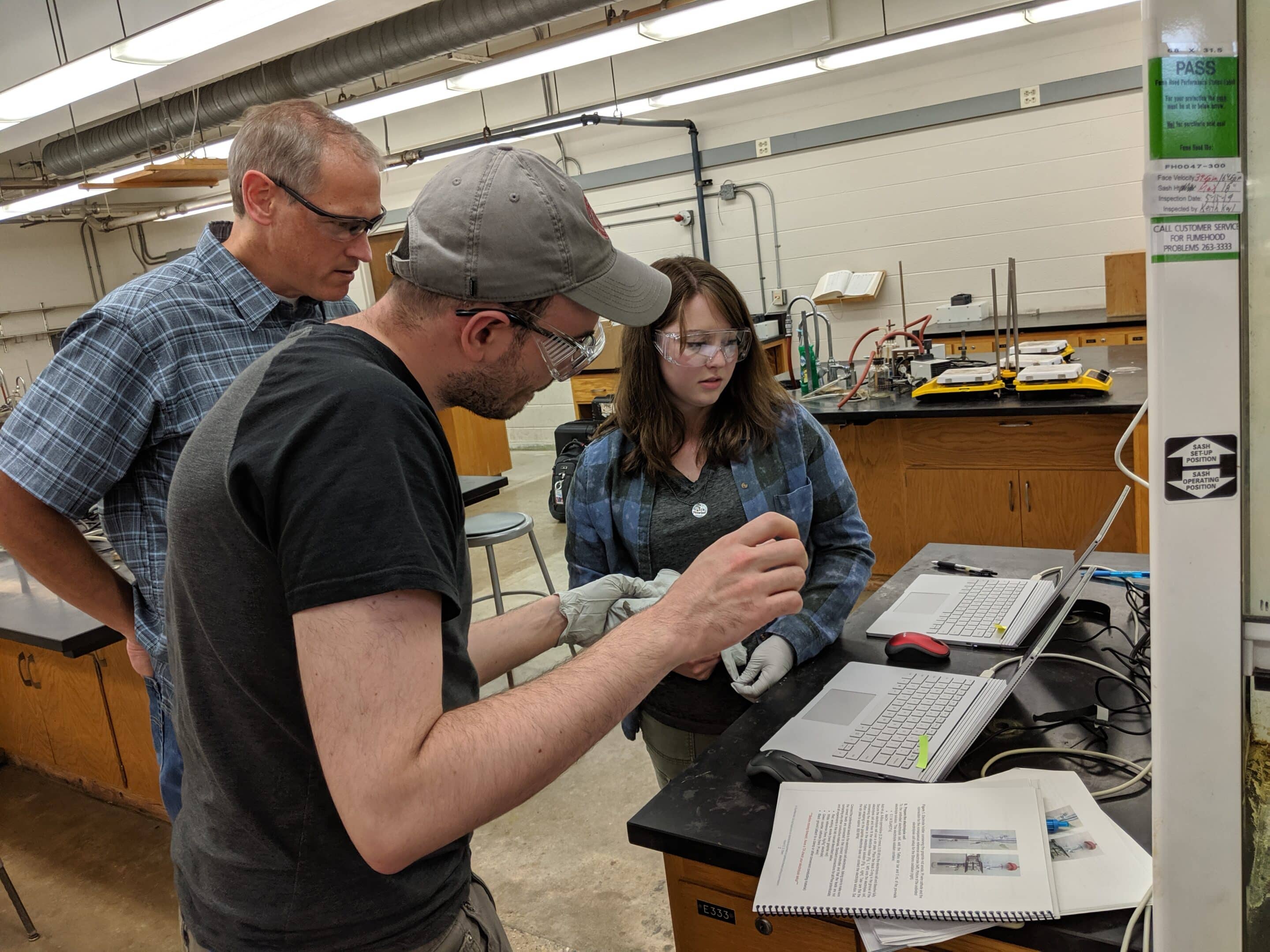
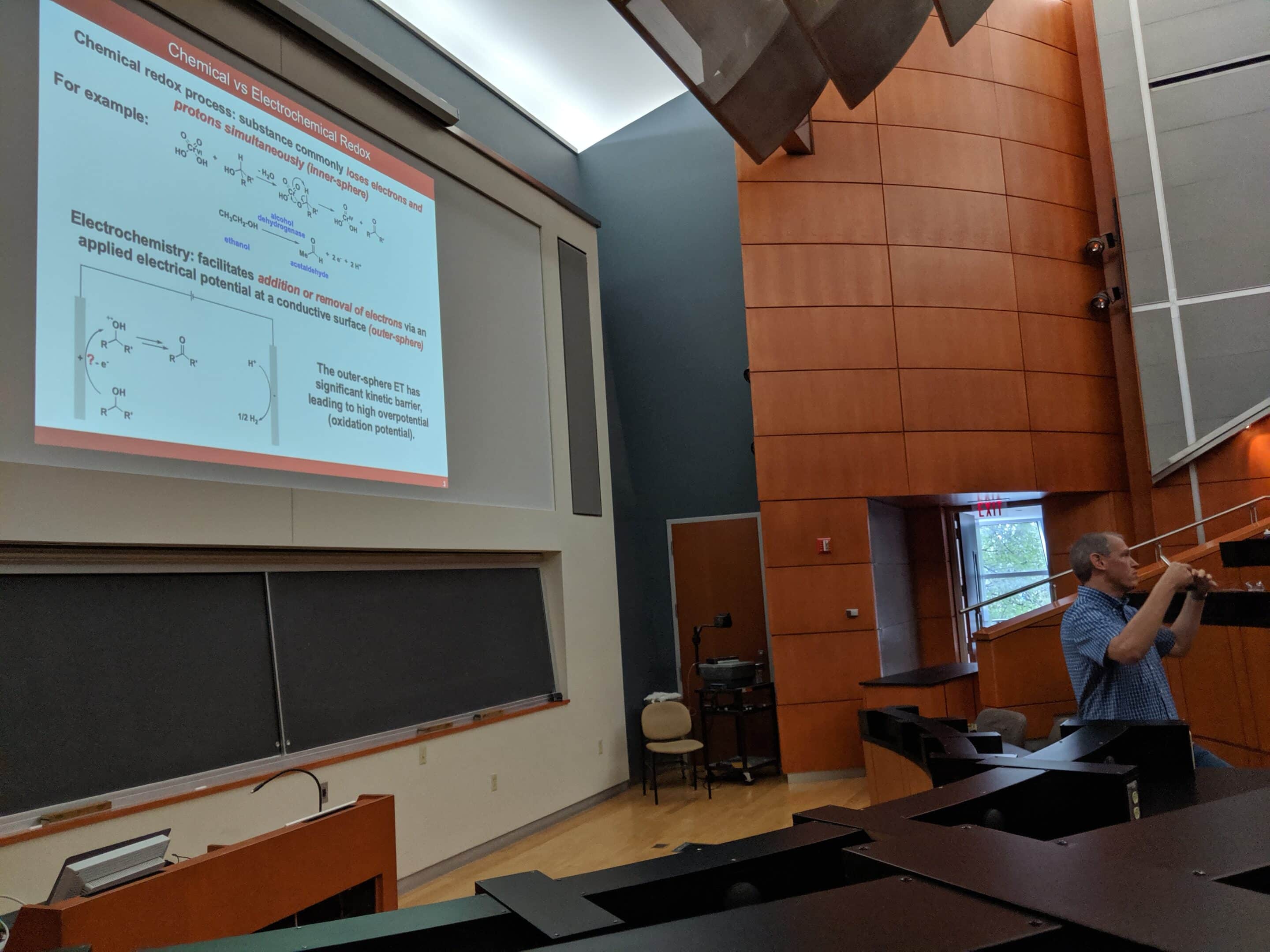
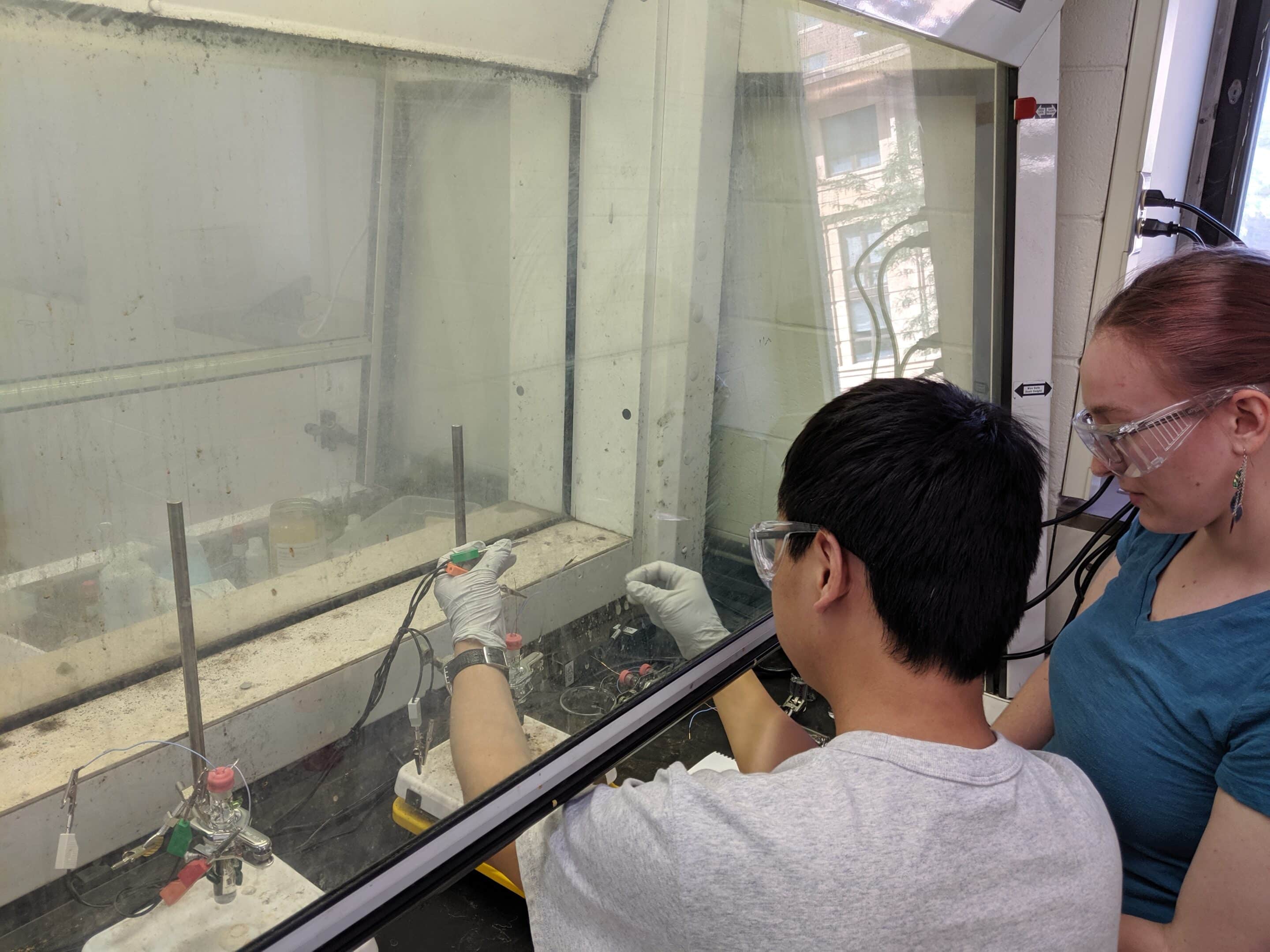
A two day electrochemistry workshop focused on organic electrochemistry including both theory and hands on experimentation.

Tim Paschkewitz, a true midwesterner originally from Wisconsin, has always had a passion for science, education, teaching, and people. Naturally, when Pine Research was hiring an electrochemist that would predominantly be involved in sales, Tim eagerly applied (after being encouraged by his graduate advisor that the position seemed as if written for him). After completing his Ph.D. in electrochemsitry at The University of Iowa in 2012, Tim began with Pine Research soon after. He naturally connects with people on both personal, everyday matters as well as on advanced electrochemical pathways. While not jet-setting around the world attending conferences and providing product demonstrations and training to customers, Tim manages the technical writing projects at Pine Research, including authoring many user guides, technical and application notes, and educational laboratory exercises. He also shares an important role in the marketing efforts of the company, in areas including social media, videos, print and digital media, advertising, and website management. Tim provides valuable insight to our engineering staff as to what new products and software features are needed in the electrochemical community. Recently, Tim has taken on the role of sales scientist for the new neuroelectrchemical product line. He accomplishes all this with the support of an amazing sales team…and a lot of coffee.

The Stahl research group in the Department of Chemistry at the University of Wisconsin-Madison is exploring a number of topics in the field of catalysis. Advances in catalysis research are crucial to address many of the major challenges facing our nation and world, including (i) reducing the contribution of human activities to global warming, (ii) identifying sustainable energy sources and (iii) minimizing the environmental impact of chemical synthesis (i.e., green chemistry). Research themes include aerobic oxidation reactions, C–H oxidation methods for pharmaceutical synthesis, electrochemical organic synthesis, biomass valorization, and electrocatalysis and electrochemical methods for energy conversion.

Mohammad Rafiee earned his B.S. degree in chemistry from Bu-Ali Sina University, Hamadan, where he became intrigued with the use of electrons as “the simplest chemical reagents” for organic synthesis. He then pursued his graduate studies at Bu-Ali Sina University under the supervision of Prof. D. Nematollahi, where his doctoral work focused on electrochemical synthesis and molecular electrochemistry. In 2008, he started an independent academic career at the Institute for Advanced Studies in Basic Sciences (IASBS), focusing on the development of electrodes modified with mediators for electrosynthetic applications. In 2014, he joined Prof. Shannon Stahl’s group as a research scientist at the University of Wisconsin–Madison and pursued collaborative studies on mediated electrochemical reactions and electrosynthesis. He is currently an Assistant Professor of Chemistry at the University of Missouri-Kansas City, where he joined as a faculty member in 2019.
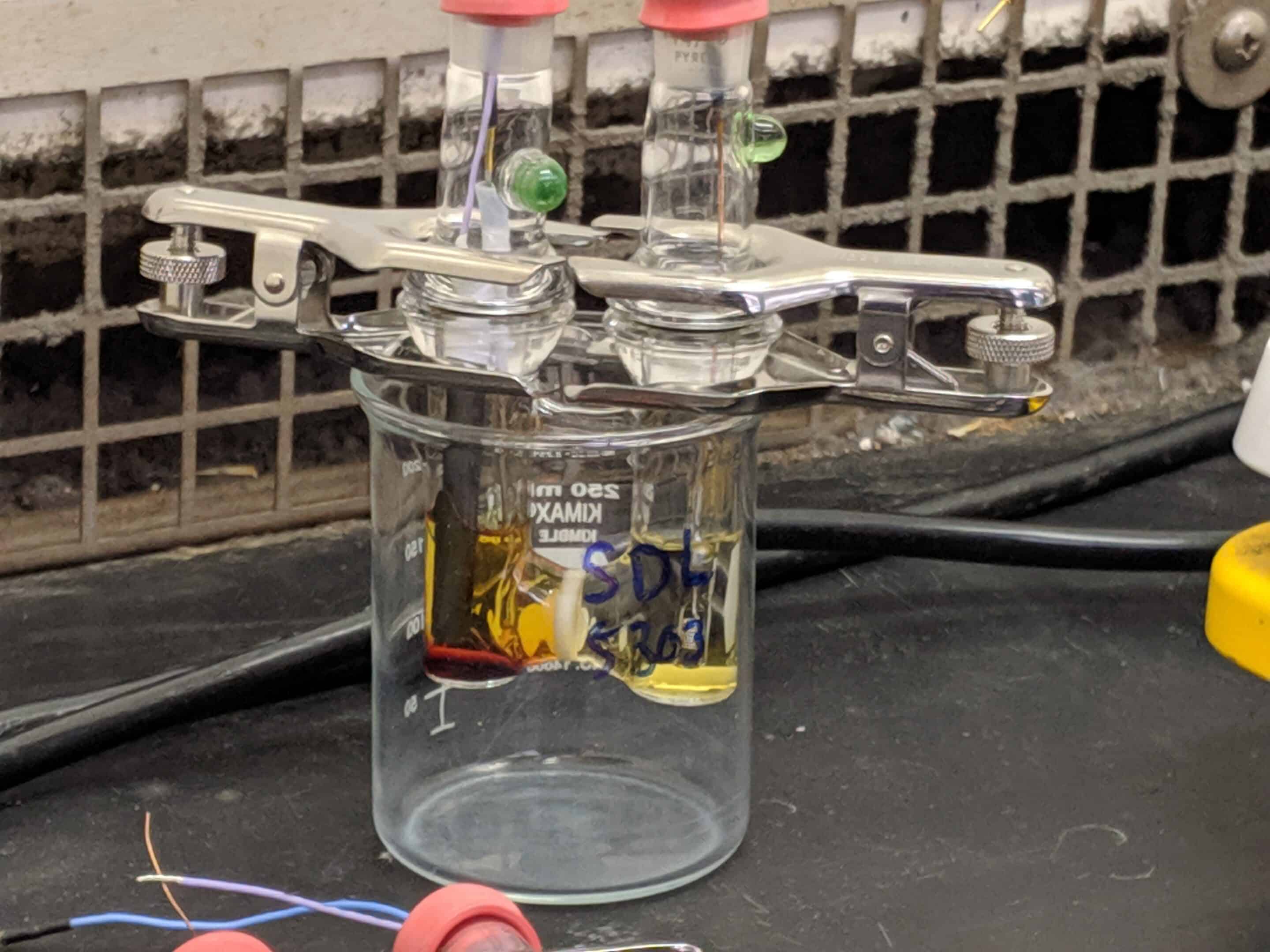
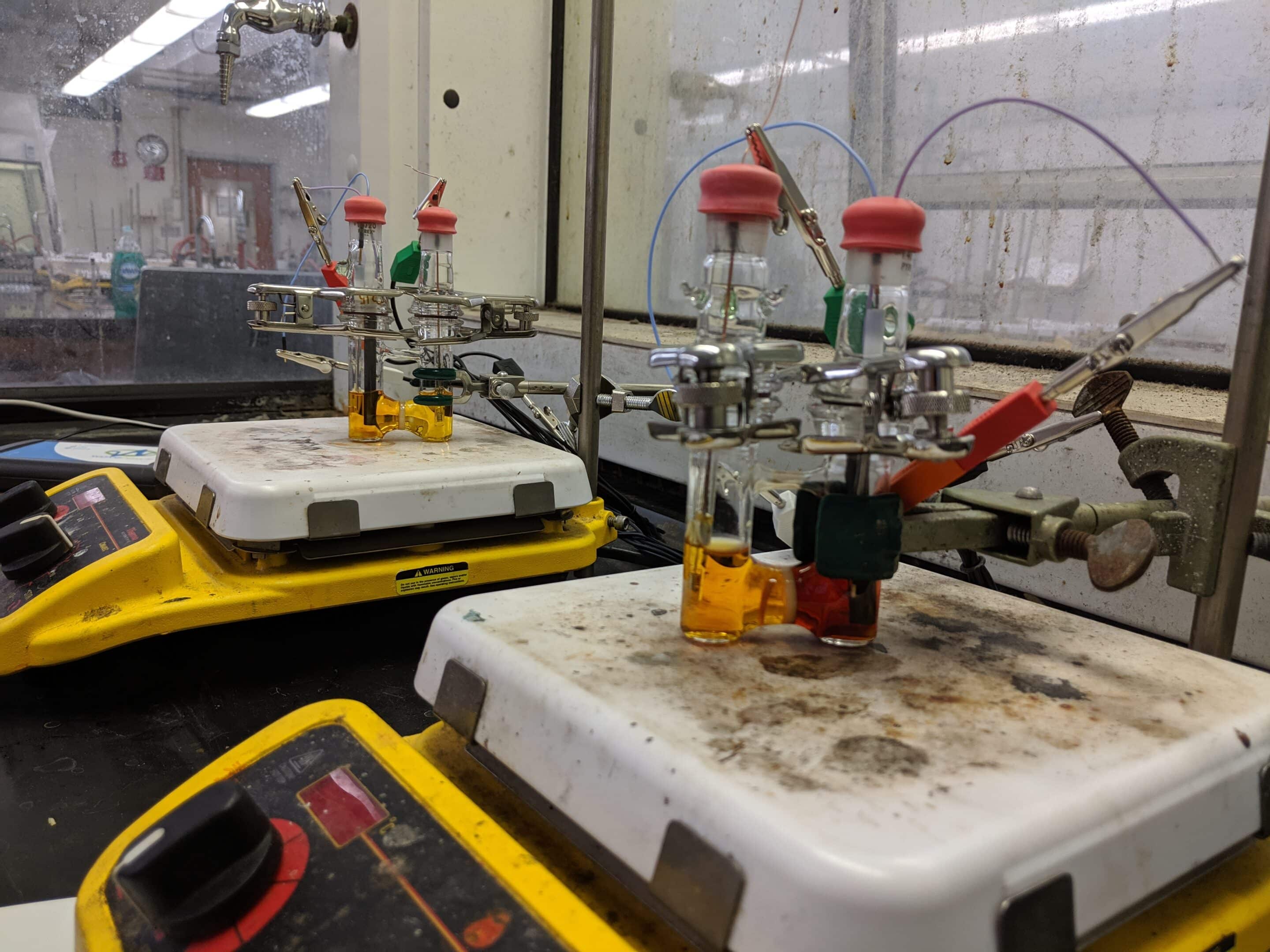
2:30 - 4:00, Bulk Electrolysis: Shono-oxidation under constant potential and constant current
4:00 - 5:00, Bulk Electrolysis: Iodide-mediated benzylic C-H oxidation - preparation of benzylpryidinium
Working lunch for lab participants, TAs, instructors, Pine/AbbVie representatives
1:15 - 3:00, Voltammetric and chronoamperometric experiments