Quick Cart
Subtotal: $0.00

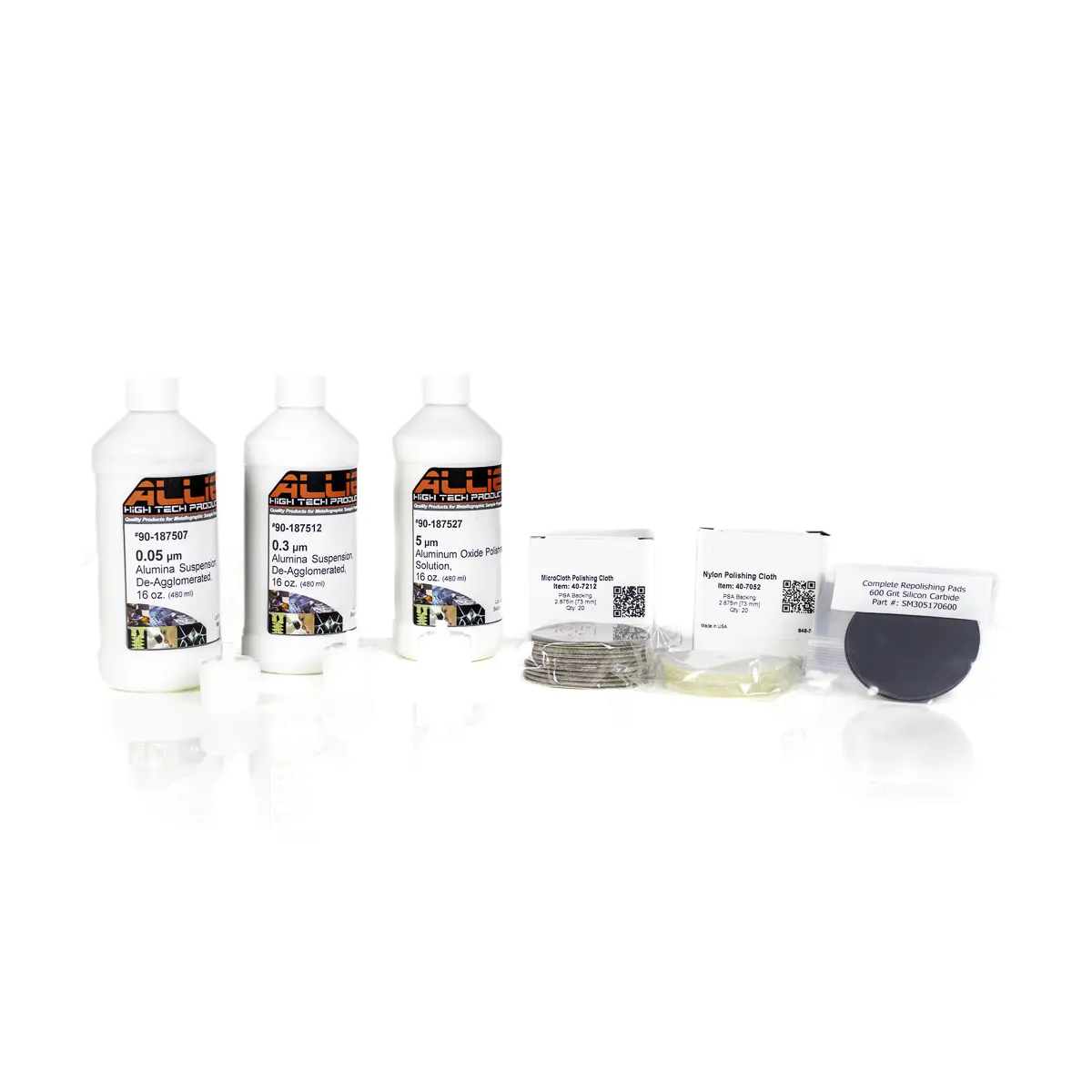
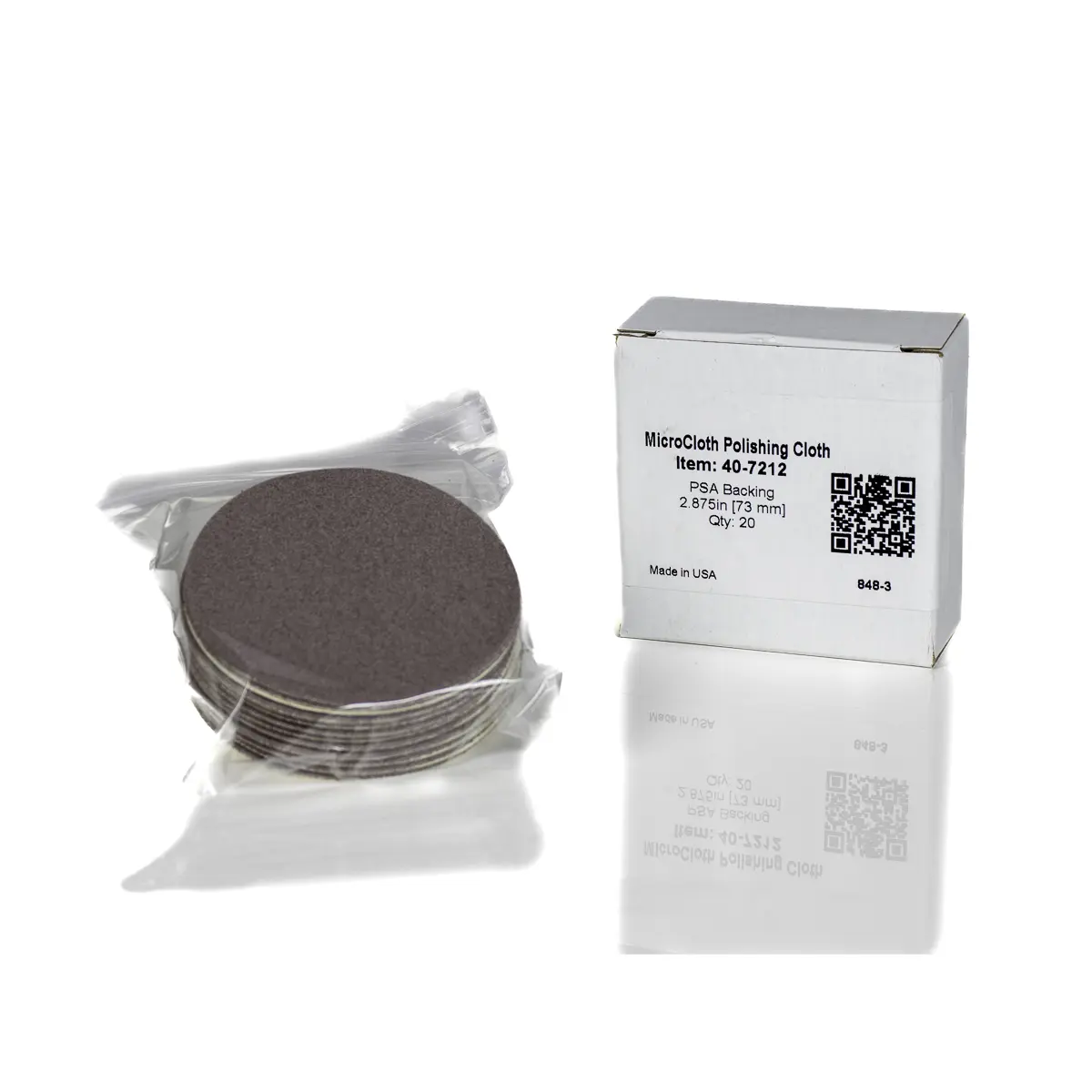
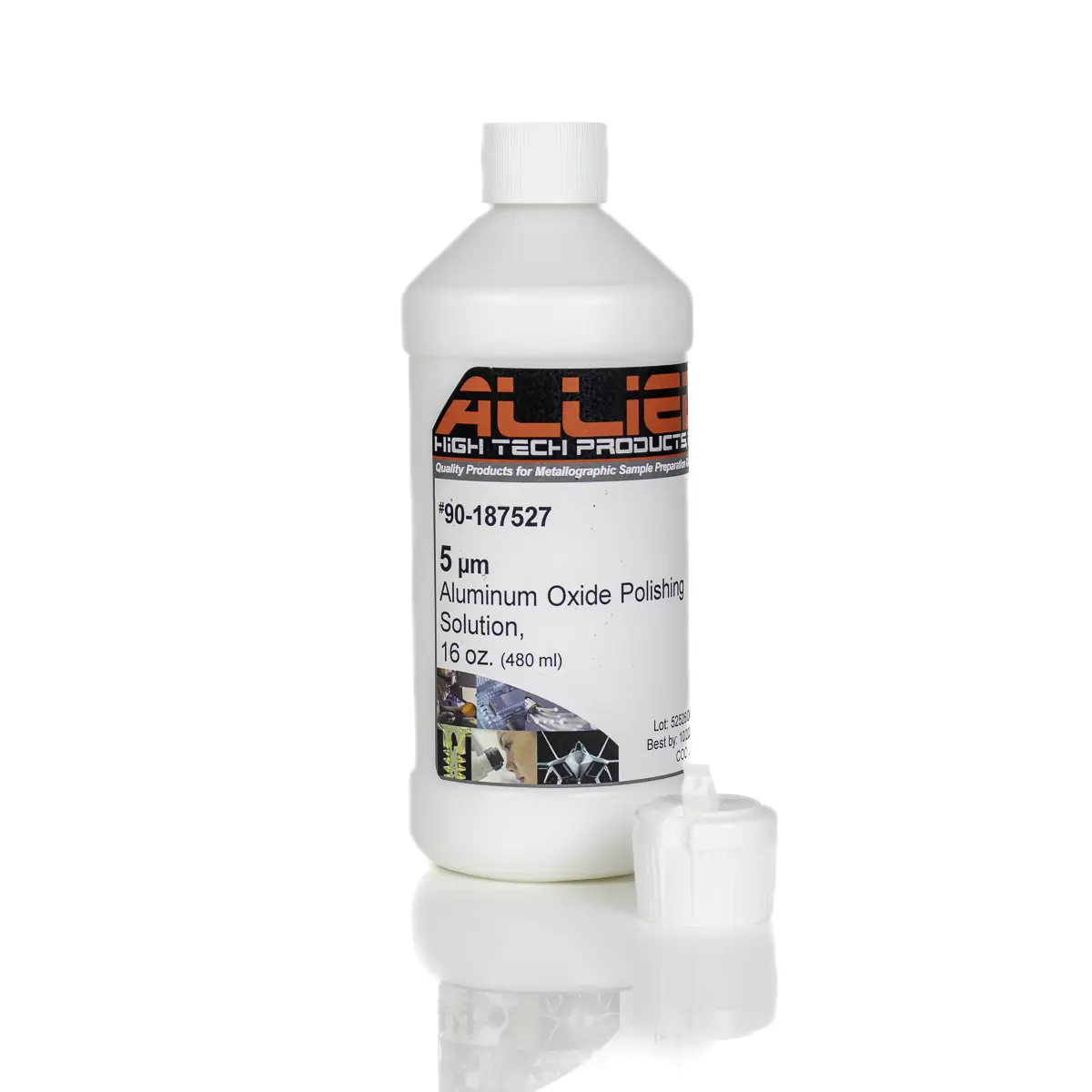
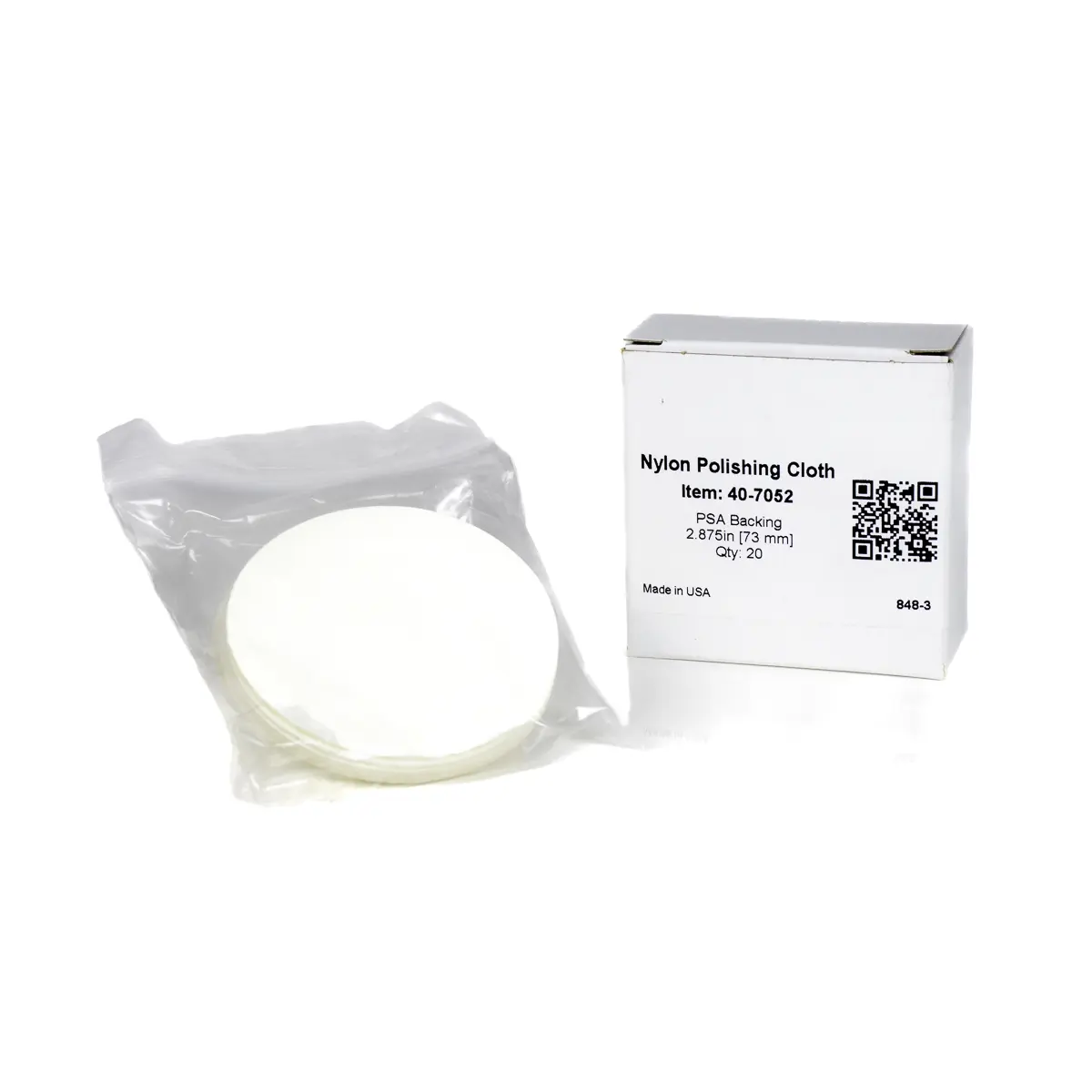
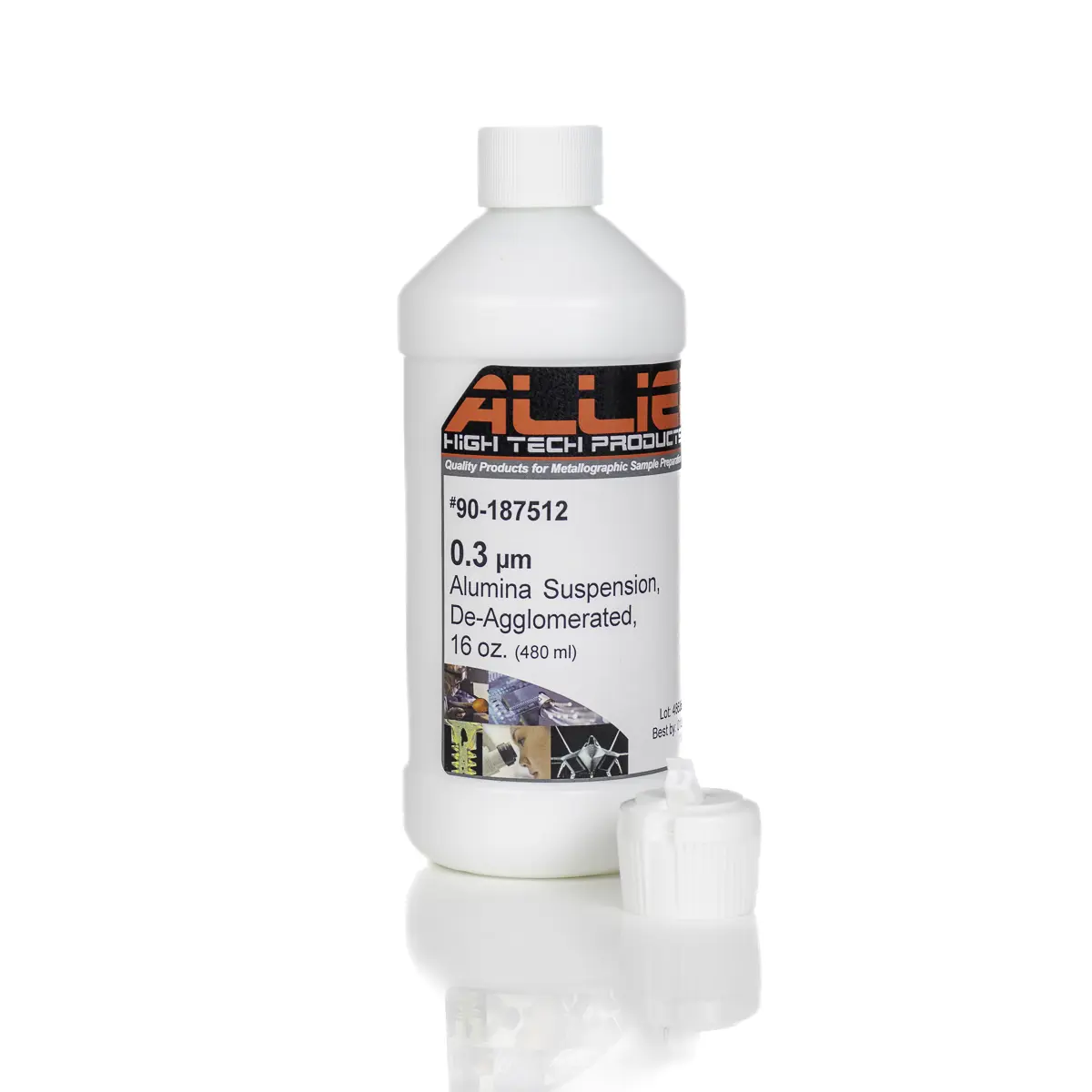
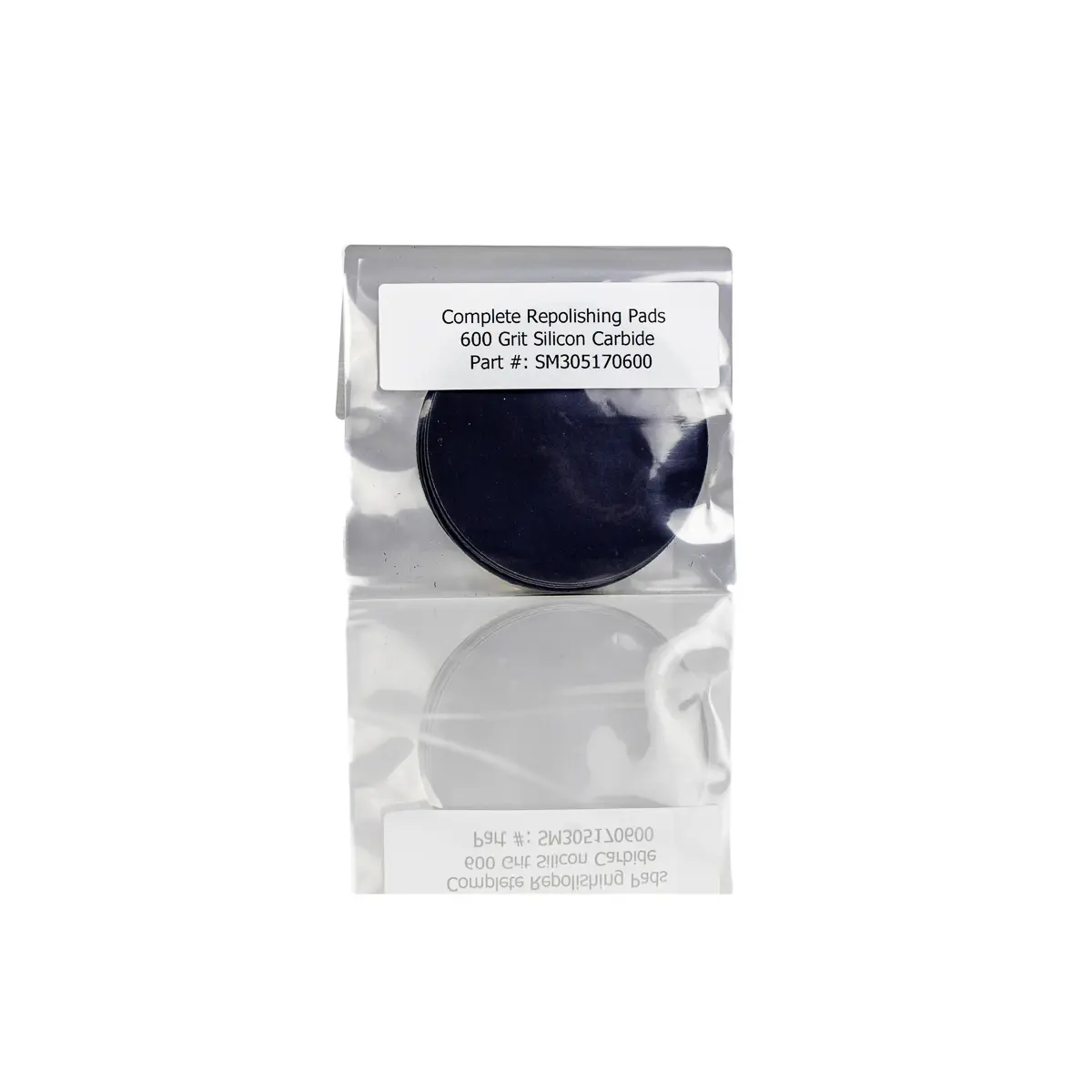
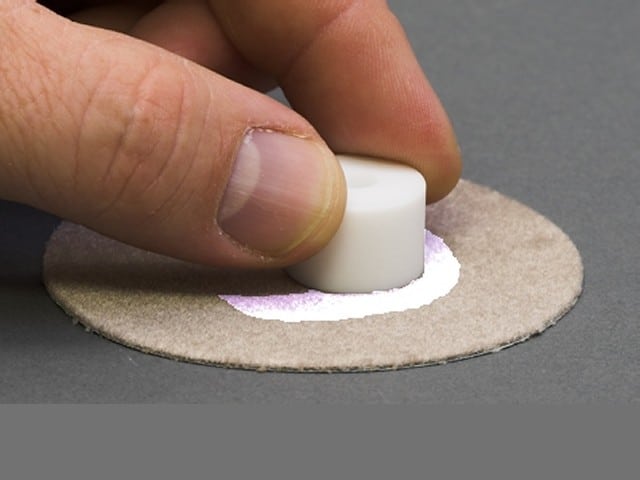
Electrode polishing is a rite of passage in electrochemistry. While it is not the most exciting part of doing electrochemistry, it is necessary and essential as a routine practice. You should always use high quality polishing materials, to ensure electrode surfaces are kept clean without damaging or overly scratching their precious surfaces. The polishing kit contains a variety of materials to cover all types of electrode polishing, from routine to more aggressive polishing. The Pine Research electrode polishing guide references how to use the products in this kit for different types of electrode polishing. View the parts contained in this kit below, if you need to order only part of the polishing kit.
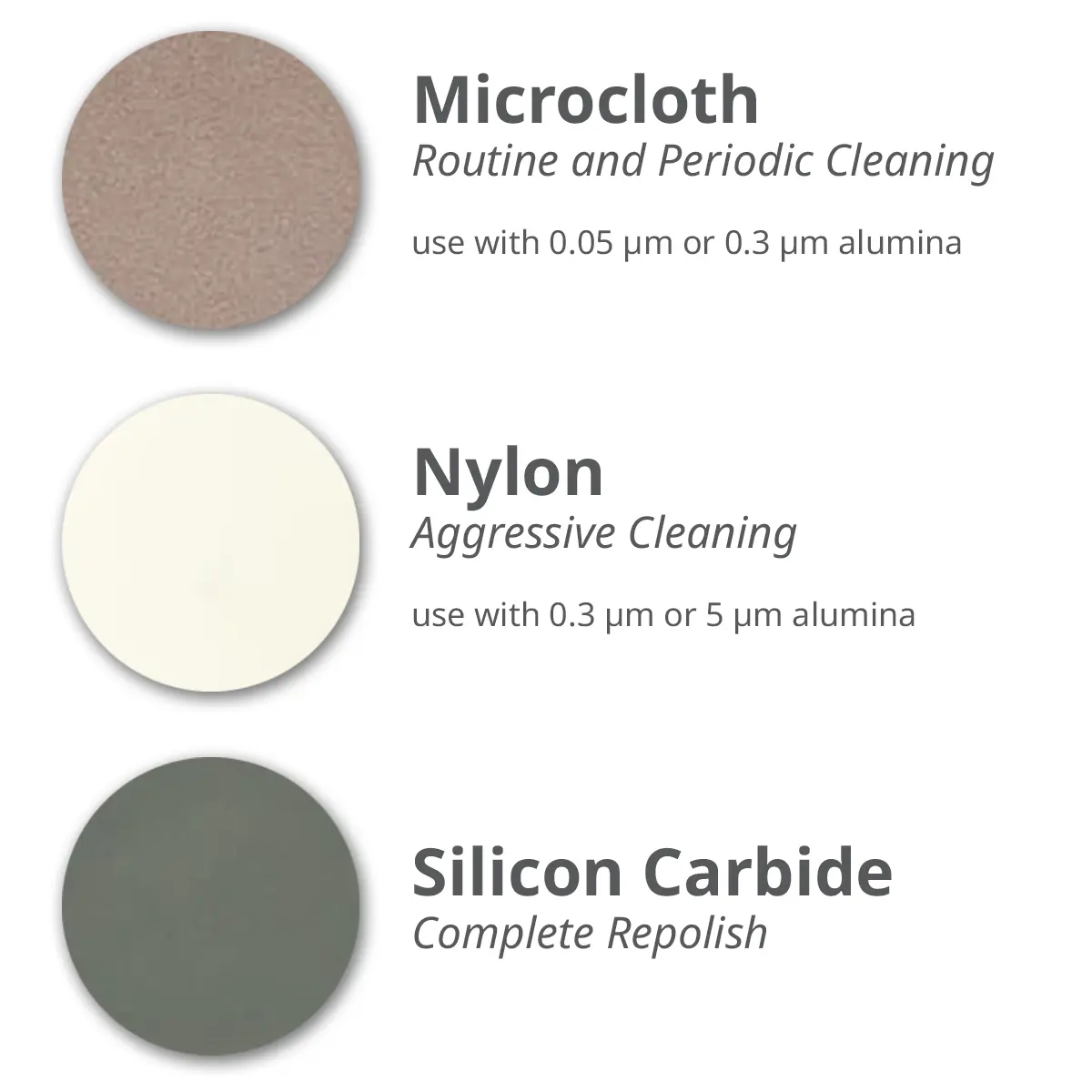
Polishing Pad Descriptions
Routine, daily polishing of a precision electrode surface is normally accomplished using a slurry of sub-micron alumina particles. The slurry is deposited on a special microcloth and then the electrode is pressed into the slurry and carefully polished against the alumina particles.
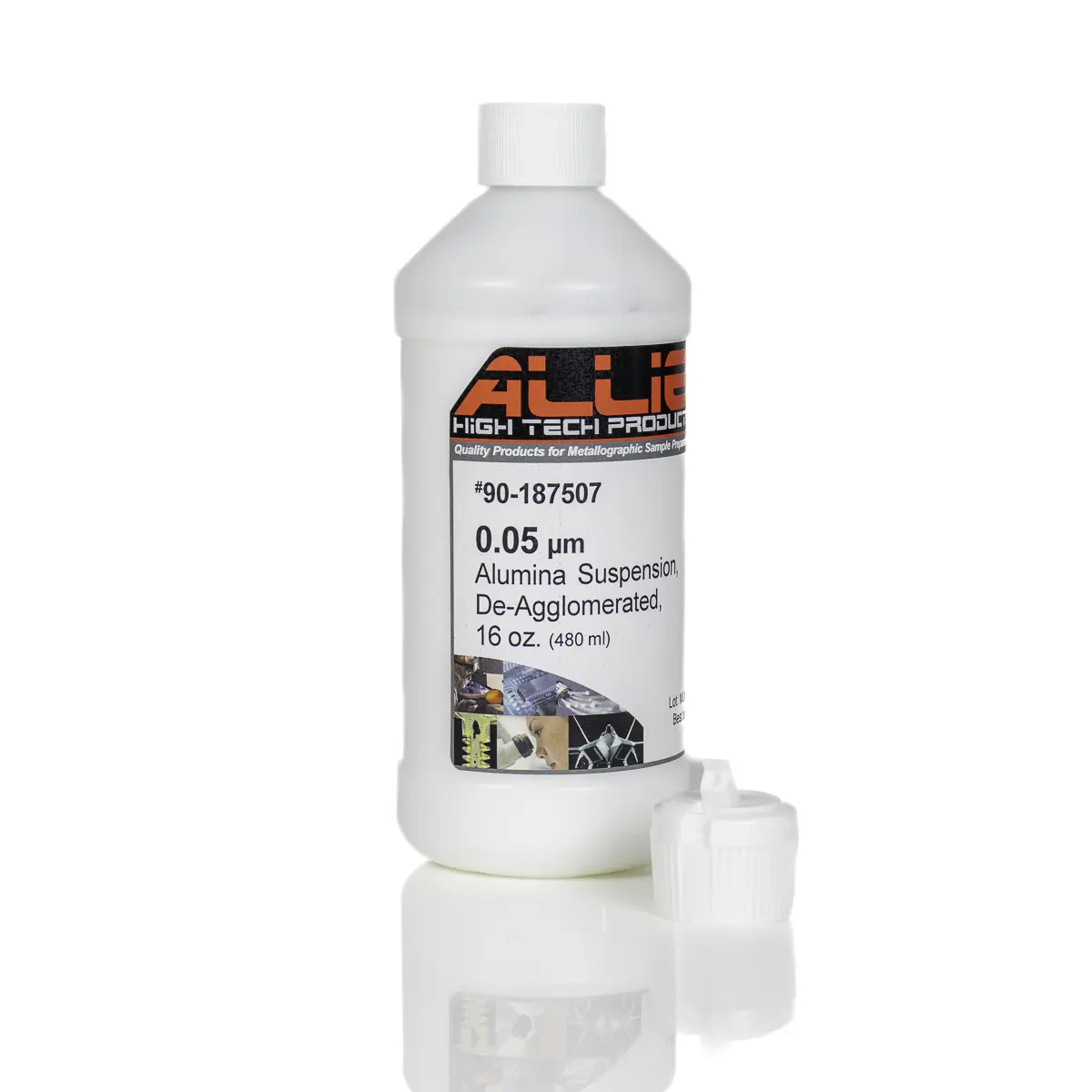
At the end of a series of tests, the surface of an electrode should normally be polished using an ultrafine slurry of 0.05 µm alumina particles. This slurry is usually sufficient for preparing the electrode surface for the next set of tests. In the event that a slightly more aggressive resurfacing is required (i.e., if a thin film has fouled the electrode surface), then a fine slurry of 0.3 µm alumina particles can be used first to remove the film. Then, after the film is removed, the surface can be polished with the ultrafine 0.05 µm alumina slurry.
A far less frequent “coarse polishing” of the electrode surface involves larger alumina particles (5 µm) and should only be performed if the electrode has a noticeable scratch or has been fouled with a thick layer of unwanted material.
Pine Research offers a 5 µm alumina slurry that is normally used in conjunction with a hard nylon polishing cloth.